Lock Nut Supplier in UAE – Complete Buyer’s Guide for MEP, Industrial & Oil & Gas Projects
Lock nuts are one of the most critical components used in cable gland installations across the UAE’s electrical, industrial, mechanical, and oil & gas environments. While they appear simple, lock nuts play a decisive role in equipment safety, enclosure integrity, IP rating performance, and long-term reliability in high-vibration or harsh operating conditions. In the UAE, where electrical installations face extreme heat, high humidity, dust storms, and corrosive marine air, choosing the right lock nut is not optional—it is essential for compliance, performance, and safety.
This long-form guide has been designed for MEP professionals, industrial engineers, oil & gas maintenance teams, electrical contractors, procurement officers, and distributors. It explains everything required to make an informed decision about choosing the right lock nut for cable glands, control panels, junction boxes, switchgear assemblies, outdoor installations, and hazardous-area applications.
You will find detailed technical insights, practical selection methods, UAE-specific guidance, relevant material considerations, environmental factors, sizing charts, LSI-based terms, and a complete breakdown of lock nut types used locally.
What Is a Lock Nut and Why It Matters in UAE Electrical Installations?
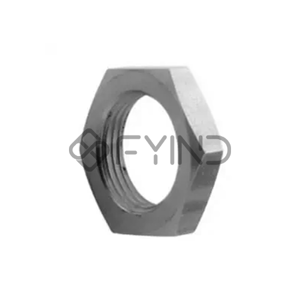
A lock nut is a threaded fastening component that helps secure a cable gland tightly onto a panel, enclosure wall, distribution board, or junction box. It works by tightening against the gland’s thread from the inside of an enclosure, preventing rotation, loosening, or displacement. This ensures that the cable gland maintains its sealing performance, strain relief, and mechanical stability.
In the UAE, electrical systems are frequently exposed to intense vibration (in industrial machinery), drastic temperature changes, dust-laden air, corrosive marine conditions, and high winds. Without a proper lock nut, a cable gland may loosen over time, which leads to:
- Compromised IP/NEMA protection
- Water ingress
- Sand or dust penetration
- Cable stress or pull-out
- Safety hazards during inspections
- Failure to comply with DEWA, ADNOC, and local authority standards
Lock nuts are not merely accessories—they are structural safety components that ensure the entire cable entry system performs reliably.
How Lock Nuts Enhance Cable Gland Performance
Lock nuts add significant value to the electrical installation, especially in UAE commercial, industrial, and infrastructure environments. They support cable glands in the following ways:
Improved Mechanical Stability
They help secure the gland firmly, ensuring that the fitting does not vibrate loose in machinery, HVAC systems, pumps, or rotating equipment.
Enhanced Waterproofing and Dust Protection
Lock nuts play a role in maintaining IP66, IP67, IP68, and IP69K ratings by ensuring tight compression between gland and enclosure.
Retention of Cable Positions
By preventing rotation, they maintain cable orientation and ensure strain relief is correctly applied.
Better Safety and Compliance
Many local UAE authorities require proper gland + lock nut assembly as part of safety audits in industrial and hazardous zones.
Extended Equipment Life
When cable glands remain fixed in place, equipment and panels are protected from long-term wear and tear.
Lock nuts contribute directly to safer, longer-lasting, and more efficient electrical installations — making them a non-negotiable component.
Why Lock Nuts Are Especially Important in the UAE Environment
High Ambient Temperatures
Outdoor equipment often faces temperatures exceeding 50°C, which causes expansion and contraction of metals.
Fine Sand and Dust Intrusion
Sandstorms and desert conditions easily infiltrate panels if cable glands are not tightly fixed.
High Vibration in Industrial Zones
Oil refineries, factories, desalination plants, and construction sites create heavy vibration that can loosen fittings.
Coastal and Marine Air Corrosion
Abu Dhabi, Dubai, Sharjah and Fujairah have coastal regions with high saltwater exposure. Stainless steel lock nuts are essential in these areas.
Humidity and Moisture Exposure
Humidity levels reach 90–100% in summers, which can cause condensation inside enclosures.
Therefore, UAE installations require premium-quality, corrosion-proof, vibration-resistant lock nuts suitable for long-term industrial performance.
Applications of Lock Nuts in Major UAE Sectors
Lock nuts are used across a wide range of industries and project types. They play a crucial role in:
- MEP Projects — Used in electrical panels, HVAC systems, pump rooms, riser networks, and control wiring.
- Oil & Gas Facilities — Platform installations, onshore rigs, refineries, and petrochemical plants require lock nuts for hazardous-area certified cable glands.
- Infrastructure and Utilities — DEWA, ADDC, SEWA, and FEWA projects mandate proper gland and lock nut combinations.
- Solar and Renewable Energy — Solar inverters, combiner boxes, junction boxes, and rooftop cable entry points require secure tightening.
- Transportation and Marine — Used in airports, seaports, railway systems, and boats due to corrosion resistance needs.
- Factory Automation — Industrial motors, control cabinets, PLC systems, and sensor wiring rely on secure gland attachment.
- Construction Projects — High-rise towers, villas, warehouses, and commercial buildings rely on effective electrical entry systems that use lock nuts.
This broad applicability makes lock nuts a universal but essential element in UAE project installations.
Types of Lock Nuts Commonly Used in UAE Projects
Multiple types of lock nuts are available across the UAE market. Each type is designed for specific cable gland materials, environmental conditions, vibration levels, and enclosure types. Below are the most widely used categories:
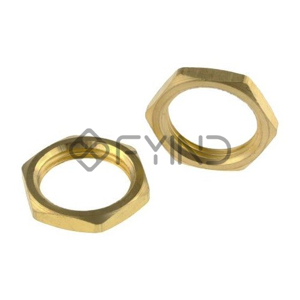
Brass Lock Nut
The most commonly used option
- Strong mechanical grip
- Corrosion-resistant for general environments
- Perfect match for brass cable glands
- Suitable for indoor and outdoor installations
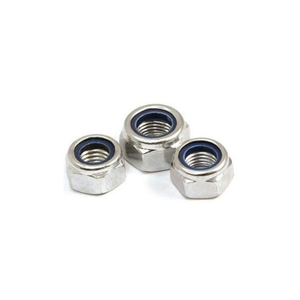
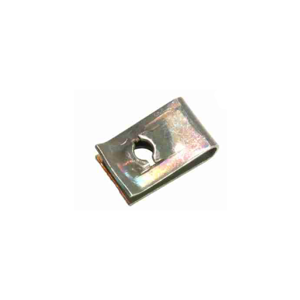
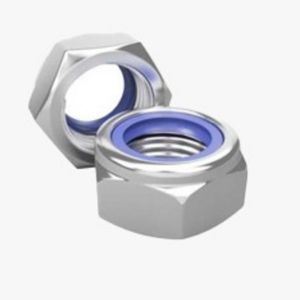
Copper Alloy Self-Locking Nut
Extra grip for intense vibration
- Used in industrial machinery, refineries, and rotating equipment
- Offers high mechanical strength
- Premium performance in anti-loosening applications
PG Hexagonal Lock Nut
Used with PG-thread cable glands
- Common in control panels, consumer units, and switchgear
- Standard for European-style panel boards
Standard Brass Nut
Used in standard electrical installations
- Cost-effective option
- Suitable for low to medium mechanical loads
Stainless Steel Lock Nut (SS304 / SS316)
Best for marine, offshore, corrosive, and chemical environments
- Highest lifespan in harsh operating conditions
- Required in oil & gas hazardous zones
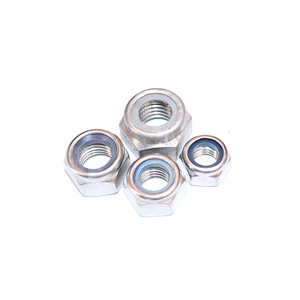
Nylon Lock Nut
Lightweight and non-conductive
- Ideal for plastic enclosures and indoor projects
- Affordable and corrosion-proof
- Great for low-vibration, light-duty applications
Each of these types will be explored in further detail in later sections, ensuring buyers understand exactly where each type should be used.
Matching Lock Nut Material With UAE Environmental Needs
Just like cable glands, lock nuts must be chosen according to the surrounding environment. A mismatch can cause equipment failure. Here is an overview:
Brass Lock Nuts
For general purpose
- Best for residential, commercial, and standard industrial zones
- Widely used with brass glands (M20, M25, M32, etc.)
Stainless Steel Lock Nuts
Needed in corrosive environments
- Ideal for desalination plants, marine zones, offshore platforms
- Required for SS cable glands
Nylon Lock Nuts
Used in indoor and telecommunications panels
- Cannot withstand extreme heat
- Safe for non-conductive environments
Copper Alloy Self-Locking Nuts
Best for vibration and heavy mechanical stress
- Preferred in oil & gas machinery
Correct material selection ensures long-term performance and system reliability.
Lock Nut Sizing and Thread Compatibility
Using the right size is crucial. In UAE installations, these thread types are used:
- Metric (M16–M75)
- PG Thread (PG7–PG48)
- NPT Thread (common in US systems)
- BS Threads
A mismatch between cable gland thread and lock nut thread will result in:
- Loose fixing
- Poor sealing
- Damage to gland threads
- Failed inspection
Always ensure that the lock nut matches the exact gland thread type.
Technical Breakdown of Lock Nut Materials Used in UAE
To ensure a lock nut performs reliably in the UAE’s harsh and diverse working conditions, understanding the mechanical, chemical, and thermal characteristics of each material is essential. Materials directly influence corrosion resistance, vibration resistance, conductivity, thermal expansion, and long-term stability. Here is a deep technical breakdown:
Brass Lock Nuts (CW614N / CZ121 / CZ122 Grade)
Brass is the most widely used lock nut material for cable glands in the UAE.
Technical Properties
- Good corrosion resistance in normal environments
- High mechanical strength suitable for industrial panels
- Excellent machinability, producing well-cut, precise threads
- Thermal conductivity helps dissipate heat around the gland
- Handles temperatures up to +120°C easily
Where They Perform Best
- MEP installations
- HVAC systems
- Distribution boards
- General-purpose indoor and outdoor panels
Limitations
- Not suitable for coastal or chemically corrosive zones
- May tarnish in high humidity
Brass is the most balanced choice for 70% of UAE electrical projects.
Stainless Steel Lock Nuts (SS304 / SS316 Grade)
Stainless steel lock nuts are the premium choice for the UAE environment, especially coastal and industrial areas.
Technical Properties
- Extremely high corrosion resistance
- Withstands saltwater, chemicals, acids, and industrial fumes
- Maintains strength at high temperatures (up to 300°C)
- High tensile and yield strength prevents deformation
Where They Perform Best
- Oil & Gas (ADNOC, ENOC, offshore rigs)
- Marine installations
- Desalination plants
- Chemical factories
- Outdoor installations near the sea (Dubai Marina, Abu Dhabi Corniche)
Limitations
- Higher cost
- Requires matching stainless steel cable gland
If long-term durability is important, SS316 is the ideal selection.
Nylon Lock Nuts (Polyamide PA6 / PA66)
Nylon lock nuts are used when non-conductive, lightweight, and corrosion-proof properties are needed.
Technical Properties
- Non-metallic, non-conductive
- Resistant to moisture and UV light to an extent
- Lightweight and cost-effective
- Suitable up to +90°C
Where They Perform Best
- Indoor panels
- Plastic enclosures
- Low-load electrical applications
- IT, telecom, and data networks
Limitations
- Not suitable for heat, heavy vibration, or harsh environments
- Can absorb moisture over time
- Lower mechanical strength
Nylon is ideal for telecom and light-duty electrical systems.
Copper Alloy Self-Locking Nuts
These are specialty nuts designed to hold under vibration and mechanical shock.
Technical Properties
- High vibration resistance
- Exceptional grip strength
- Anti-loosening under mechanical movement
- Excellent thermal and electrical conductivity
Where They Perform Best
- Industrial machinery
- Motors, compressors, chillers, pumps
- High-vibration electrical systems
- Manufacturing plants
Limitations
- Higher cost than brass
- Not needed for small commercial panels
These nuts are chosen when safety under vibration is the priority.
Understanding Thread Standards for UAE Electrical Installations
Incorrect thread matching is one of the main reasons for cable gland installation failures.
Metric Thread (M16–M75)
The most common thread type used in:
- MEP projects
- Commercial buildings
- Industrial panel boards
- HVAC systems
Metric threads are universal in UAE electrical specs (DEWA, SEWA, ADDC).
PG Thread (PG7–PG48)
Common for:
- Control panels
- Low-voltage applications
- Consumer units
- European-made equipment
PG threads have a rounder profile and are historically used in small to medium enclosures.
NPT Thread
Used mainly in:
- Oil & gas
- American machinery
- Offshore rigs
- Hazardous-area equipment
NPT is a tapered thread, providing tighter sealing.
BS Thread
British Standard threads appear in:
- Legacy equipment
- Older industrial systems
- Certain imported panels
These are less common now but still found in refurbishment projects.
Why Thread Matching Is Essential
If the lock nut and cable gland have different thread standards:
- The gland will not tighten properly
- Rotation will occur during cable movement
- IP rating will fail
- Panel could experience dust/water ingress
- DEWA/ADNOC inspectors may reject the installation
Always match: M-thread gland → M-thread lock nut; PG-thread gland → PG-thread lock nut; NPT → NPT.
10. Vibration and Mechanical Load Considerations in Lock Nut Selection
In the UAE's industrial zones, vibration is one of the major reasons why fittings loosen over time.
Sectors with the highest vibration levels include:
- Pump rooms
- Chiller plants (HVAC)
- Manufacturing and automation machinery
- Refineries and petrochemical plants
- Oil & gas rigs
- Heavy-duty motors
- Construction machinery
How Vibration Affects Cable Glands
- Micro-rotations in the cable gland
- Stress on cable cores
- Loosening of lock nuts
- Gaps in sealing rings
- Entry of dust, moisture, or chemicals
Using a normal lock nut in a high-vibration zone increases failure risk.
Best Lock Nuts for High-Vibration Applications
- Copper Alloy Self-Locking Nuts — Top performance due to self-gripping properties.
- Stainless Steel Lock Nuts — High rigidity prevents loosening under stress.
- Double-Locking Arrangement — In extremely high-vibration areas, installers use: Lock nut + check nut + serrated washer. This ensures superior mechanical holding force.
Corrosion Resistance Requirements for UAE Environments
Corrosion is a major concern in the UAE due to:
- Coastal humidity
- Salt-laden winds
- Industrial chemical emissions
- High moisture levels
- Temperature fluctuations
Corrosion Risk Areas
- Dubai Marina, Palm Jumeirah, JBR, Abu Dhabi Corniche
- Jebel Ali, Fujairah and Sharjah ports
- Oil & gas plants
- Chemical factories
- Desalination facilities
Brass may corrode or tarnish in these zones over time.
Best Options for Corrosion-Prone UAE Locations
- Stainless Steel 316 Lock Nuts — Offers the best corrosion resistance; mandatory in marine and offshore installations.
- Nylon Lock Nuts — Non-metallic, naturally corrosion-resistant.
- Plated Brass — Nickel-plated brass adds corrosion protection; useful for semi-corrosive environments.
Correct lock nut selection avoids premature equipment failure.
Thermal Performance and Heat Resistance
UAE temperatures can exceed 50°C, especially in rooftop installations or outdoor control boxes.
Effect of Heat on Lock Nuts
- Metal expansion
- Thread deformation over time
- Loosening of glands
- Drying out of sealing compounds
Materials respond differently:
- Brass — Stable up to 120°C; suitable for UAE outdoor conditions
- Stainless Steel — Stable up to 300°C; best for chemical, industrial heat zones
- Nylon — Softens above 90°C; not recommended outdoors
Heat resistance is essential for long-term reliability.
Electrical Conductivity and Earthing Considerations
Lock nuts' conductivity matters in grounding-sensitive environments.
Conductive Lock Nuts
- Brass
- Copper alloy
- Stainless steel
These help maintain earth continuity when used with armored cable glands.
Non-Conductive Lock Nuts
Use nylon only in low-risk, non-metallic enclosures where earthing is not required.
Lock Nut Performance in Hazardous-Area Installations
Hazardous locations (Zone 1/Zone 2) require certified fittings.
Industries that use Ex-proof glands: Oil & gas, Petrochemical refineries, Tank farms, Gas compressor stations, Offshore rigs.
Hazardous Area Requirements
- Explosion-proof certification
- Stainless steel or plated brass lock nuts
- High integrity threads
- Anti-rotation features
- Self-locking options where needed
Using a non-certified lock nut in hazardous zones can cause inspection failure.
15. Correct Installation Process for Lock Nuts in UAE Electrical Systems
Proper installation of a lock nut is critical for maintaining the mechanical integrity, IP rating, and long-term performance of cable glands. Incorrect installation remains one of the top causes of equipment failure, especially in the UAE’s high-vibration and high-temperature environments.
Below is a detailed, step-by-step professional installation procedure used by certified UAE contractors, MEP teams, and industrial technicians.
Step 1: Inspect the Enclosure Entry Hole
- Before inserting the gland and lock nut: Ensure the knockout or hole matches the gland’s thread (e.g., M20 gland → M20 hole).
- Edges must be smooth; burrs can cause thread damage.
- Verify panel thickness — thicker panels may require extended-thread glands.
If the hole is not centered or properly sized, the lock nut will not seat flat, which reduces holding force.
Step 2: Insert the Cable Gland Through the Enclosure Wall
- Place the gland from the outside, ensuring: The thread is straight and fully aligned.
- The sealing washer (if used) sits flush against the enclosure.
- No cross-threading occurs.
Cross-threading is a major issue in metal enclosures and leads to gland failure.
Step 3: Position the Lock Nut from Inside the Enclosure
- Slide the lock nut over the gland’s thread from inside the enclosure.
- Important installation rules: The flat side of the lock nut should face the enclosure wall.
- Serrated or gripping sides should face outward if present.
- Do not use mismatched thread types (Metric + PG).
Proper positioning ensures maximum grip.
Step 4: Tighten the Lock Nut Using Correct Tools
- Professional installers use: Open-end spanners, Adjustable wrench, Torque wrench (recommended).
- Avoid using pliers or pipe wrenches — they wear out threads and distort the nut.
Step 5: Apply Correct Torque to Prevent Under- or Over-Tightening
- Under-tightening leads to: Gland loosening, Loss of IP rating, Cable stress.
- Over-tightening leads to: Thread stripping, Deformed lock nut, Damaged enclosure.
- Using a torque wrench ensures compliance with manufacturer recommendations.
Step 6: Verify No Rotation Occurs After Cable Pulling
- Pull the cable downward and sideways to confirm: The gland does NOT rotate; The lock nut remains fixed; The sealing ring hasn’t shifted.
If rotation occurs, the lock nut was not tightened properly.
Step 7: Re-Tighten After 24 Hours (If Required)
Temperature cycles cause metals to expand/contract. Many UAE contractors retighten the lock nut a day later — especially in rooftop panels or pump rooms.
16. Torque Values for Different Lock Nut Materials and Sizes
While torque specifications vary by manufacturer, UAE industrial practice follows general torque ranges:
Recommended Torque Range for Brass Lock Nuts
- M16 → 6–8 Nm
- M20 → 8–12 Nm
- M25 → 12–18 Nm
- M32 → 18–25 Nm
- M40 → 25–35 Nm
- M50 → 35–45 Nm
- M63 → 45–55 Nm
Recommended Torque Range for Stainless Steel Lock Nuts
- M16 → 8–10 Nm
- M20 → 10–15 Nm
- M25 → 15–22 Nm
- M32 → 22–30 Nm
- M40 → 30–45 Nm
- M50 → 45–60 Nm
- M63 → 55–70 Nm
Stainless steel requires higher torque due to its hardness.
Recommended Torque for Nylon Lock Nuts
- Nylon lock nuts require very light torque:
- PG7–PG21 → 2–4 Nm
- M16–M25 → 3–5 Nm
Over-tightening easily cracks nylon.
Sizing and Compatibility Chart for UAE Installations
Proper sizing ensures that the gland and enclosure maintain structural and sealing integrity.
Metric Thread Lock Nut Sizing
- M16 → Control cables
- M20 → Lighting circuits, small power
- M25 → Standard power circuits
- M32 → HVAC, pumps, AHUs
- M40 → Motors, compressors
- M50 → High-load feeders
- M63 → Industrial MCC panels
- M75 → High-power solar inverters
PG Thread Lock Nut Sizing
- PG7 → Small control wiring
- PG9 → Instrumentation cables
- PG11 → Telecom and IT wiring
- PG13.5 → Typical indoor panels
- PG16 → Distribution boards
- PG21 → HVAC panels
- PG29 → Industrial panels
- PG36–PG48 → Large-size outdoor junction boxes
NPT Thread Lock Nut Sizing
- Used mostly in oil & gas and American equipment: ½ inch, ¾ inch, 1 inch, 1 ¼ inch, 1 ½ inch, 2 inch
- Always match NPT → NPT.
Common Installation Mistakes Made by Contractors in the UAE
Even experienced technicians sometimes make mistakes that reduce the safety and lifespan of electrical systems. Here are the most frequent ones:
- Mistake 1: Using Wrong Thread Type — Example: M20 gland paired with a PG21 lock nut. This leads to cross-threading and poor sealing.
- Mistake 2: Under-Tightening — Very common in large panels. The gland becomes loose after vibration.
- Mistake 3: Over-Tightening — This damages threads, enclosure holes, lock nut surfaces and may crack nylon.
- Mistake 4: Mismatched Material — Example: stainless steel gland with brass lock nut. This causes galvanic corrosion.
- Mistake 5: Using No Sealing Washer — Especially in IP66/IP67 rated outdoor enclosures.
- Mistake 6: Using Poor-Quality Low-Thickness Lock Nuts — Thin lock nuts strip or deform under tightening.
- Mistake 7: Forgetting a Second Lock Nut in High-Vibration Areas — Some machinery requires: Lock nut + Check nut, Serrated washer, Anti-rotation washer. One lock nut is not enough.
Failure Analysis: What Happens When Lock Nuts Loosen?
Lock nut failure can cause significant operational and safety issues. Below are the most common consequences:
1. Gland Rotation
When the gland rotates: Cables twist inside; Conductors stress; Terminations loosen; Heat buildup occurs. This is a major cause of LV panel failures.
2. Loss of IP Rating
Water or sand enters through the cable entry point, especially common in rooftop installations, outdoor junction boxes, and marine zones. Sandstorms in the UAE create fine particles that penetrate even small gaps.
3. Cable Pull-Out Risk
If strain relief fails, the cable may slip out of the gland, break connections, or cause arcing. This can lead to fire risks.
4. Corrosion Inside the Panel
Moisture entering through the gland corrodes busbars, connectors, and terminal blocks, leading to expensive downtime.
5. Hazardous Area Safety Failure
In oil & gas industries, a loose lock nut can break the flame path, cause explosion risk, and fail HAZOP and inspection. This leads to immediate shutdown.
Inspection and Maintenance Guidelines for UAE Projects
Scheduled maintenance prevents gland and lock nut failures. Here is the recommended inspection checklist:
Monthly Checks (Industrial Facilities)
- Ensure lock nuts are tight.
- Check for corrosion on brass and plated lock nuts.
- Verify no gland rotation.
Quarterly Checks (MEP, HVAC, Building Panels)
- Test cable tension and gland grip.
- Inspect for sand accumulation.
- Check sealing washers.
Annual Checks
- Full torque test of all cable glands.
- Replacement of any worn or corroded lock nuts.
- Inspection of enclosures for ingress.
Compliance Requirements in UAE – DEWA, ADDC, SEWA, ADNOC, ENEC
Every major authority has standards for cable gland installations.
DEWA Requirements
- Correct thread matching
- Proper mechanical fixation
- No rotation under pulling force
- Suitable material for environment
ADNOC Requirements
- Stainless steel fittings in oil & gas zones
- Explosion-proof fittings for hazardous areas
- High vibration resistance
ENEC & Solar Specifications
- UV-resistant components
- High-heat performance (rooftop conditions)
Correct lock nut usage supports regulatory compliance.
Compliance Standards for Lock Nuts in UAE Projects
In the UAE, electrical, mechanical, and instrumentation projects follow strict regulatory frameworks to ensure safety, fire protection, performance, and long-term reliability. Lock nuts, although small, must conform to these standards because they are part of cable gland assemblies and enclosure fittings.
Key Standards That Apply:
- • BS EN 50262 – Cable Gland Requirements: This British-European standard mandates mechanical strength, thread compatibility, IP performance, and material durability. Lock nuts used with glands must support an equivalent protection level.
- • IEC 62444 – Cable Gland Selection & Installation: This standard defines requirements for cable glands and accessories, including lock nuts. It covers vibration resistance, tensile strength, and thermal endurance.
- • NEC/IEC Ex Standards (for Hazardous Locations): In oil & gas or chemical zones, lock nuts must meet explosion-proof or flame-proof requirements. Example: Ex d: Flameproof protection; Ex e: Increased safety; ATEX: EU standard for explosive atmospheres.
- • UL & NEMA Standards (for North American-compliant installations): Projects in data centres, industrial automation, and imported machinery often require UL-listed lock nuts.
How to Select the Right Lock Nut: Engineer’s Checklist
Choosing the correct lock nut ensures safety, durability, and compatibility with cable glands and enclosures. Below is a complete engineering checklist for UAE contractors, consultants, and procurement teams:
- 1. Material Compatibility — SS316 → Ideal for marine, offshore, food processing, corrosive areas; SS304 → General industrial use; Brass → Electrical panels, cable glands; Nylon/Polyamide → Indoor, low-vibration areas.
- 2. Thread Type — Confirm that the lock nut matches the gland’s thread: Metric, PG, NPT, BSP / BSPP. Incorrect thread pairing is one of the most common installation failures.
- 3. Panel Thickness — Different lock nuts support different clamping ranges. For metal panels between 1–3 mm, standard lock nuts work well. For thicker panels, heavy-duty precision-threaded nuts are recommended.
- 4. Environmental Factors — High humidity → Stainless steel; High vibration → Serrated or anti-slip designs; Heat exposure → Metal lock nuts preferred; Chemical exposure → SS316 or coated brass.
- 5. IP Rating Requirement — Certain applications, like outdoor enclosures, require maintaining IP66 / IP67 / IP68 protection. A loose lock nut = compromised IP rating.
- 6. Installation Access — If panel access is limited, a locking nut with knurled edges or special tightening features improves safety and efficiency.
Advanced Applications of Lock Nuts in the UAE
Lock nuts are deployed across nearly every industry. Below is a breakdown of niche and advanced applications where lock nuts offer critical functionality.
A. Oil & Gas (ADNOC, Offshore, Refinery Zones)
- Applications include: Flameproof cable glands, Stainless steel junction box entries, Explosion-proof enclosures, High-pressure pump systems.
- Challenges: High salinity, hydrocarbons, vibration → Requires SS316 Ex-rated lock nuts.
B. Renewable Energy Projects (Solar, Wind, Hydrogen)
- UAE’s renewable projects (Noor Abu Dhabi, Mohammed bin Rashid Solar Park) demand high-performance components.
- Lock nuts are used in: Solar array combiner boxes, Inverter housings, Battery storage units, Wind turbine junction boxes.
- Key requirement: UV resistance + corrosion resistance.
C. Industrial Automation & Smart Factories
- Industries such as: Manufacturing, Packaging, Robotics, Conveyor systems.
- Lock nuts secure cable glands on: Motor control panels, PLC control boards, Automation cabinets.
- Need: Vibration-proof lock nuts.
D. Marine & Offshore Applications
- Includes: Oil rigs, Sea-facing industrial plants, Ports & shipyards.
- Threats: Saltwater corrosion, Moisture, Severe weather.
- Best solution: SS316 heavy-duty lock nuts due to high corrosion resistance.
E. Data Centers & ICT Infrastructure
- Lock nuts are used in: Server cabinets, UPS rooms, Network enclosures, Cooling systems.
- Data centers require: Non-corrosive materials, Non-conductive options for low-voltage areas (nylon lock nuts).
F. HVAC & Fire Protection Systems
- Lock nuts secure cable glands for: AHU units, Chiller systems, Fire pump controllers, Smoke control panels.
- Performance factors: High vibration, Heat, Chemical cleaning agents.
- This requires brass or stainless steel lock nuts for reliability.
Installation Techniques and Common Mistakes to Avoid
Even the highest-quality lock nut will fail if installed incorrectly. Below is a detailed breakdown of best practices and common errors.
Correct Installation Process
- Prepare Panel Hole — Ensure hole matches gland thread diameter. Remove metal burrs to avoid cross-threading.
- Insert Cable Gland — Push gland through panel opening. Ensure proper alignment on both sides.
- Thread Lock Nut onto Gland — Tighten by hand first to seat properly. Use tool to finish tightening without over-torquing.
- Check Gland Orientation — For angled cable runs, orientation must be precise before tightening the lock nut.
- Test for Movement — Shake enclosure lightly. Ensure no rotational play.
Common Installation Mistakes
- Using the wrong material — Brass nuts corrode in saltwater; nylon softens under heat.
- Cross-threading — Leads to weak hold and possible gland failure.
- Over-tightening — Cracks nylon nuts and damages metal threads.
- Under-tightening — Allows vibration to loosen the gland, causing safety hazards.
- Mixing thread standards (PG with Metric, etc.) — Causes improper seating and leak paths.
- Using low-quality, unbranded products — These often fail IP tests and do not meet UAE compliance standards.
How Lock Nuts Impact IP Ratings and Cable Gland Performance
A lock nut is not merely a securing accessory—it directly affects the enclosure’s Ingress Protection.
How It Influences IP Ratings
- Maintains Compression Seal — Prevents gland loosening, keeping rubber seals tight.
- Prevents Water Entry — A loose gland forms micro-gaps that compromise IP66/IP67/IP68.
- Stops Dust Penetration — Essential in UAE’s desert environments.
- Supports Strain Relief — If the gland rotates, strain relief is lost, leading to cable pullout.
If Lock Nut Fails, What Happens? — Water enters panel → Equipment failure; Dust accumulates → Short circuits; Cable slips → Electrical hazards; Gland rotates → Damages internal wiring. Thus, a lock nut is a critical safety component.
Cost of Lock Nuts in UAE (Price Range Overview)
A general non-branded price range (actual cost varies by supplier and material):
- Nylon Lock Nuts: AED 0.50 – AED 2
- Brass Lock Nuts: AED 1 – AED 5
- SS304 Lock Nuts: AED 3 – AED 8
- SS316 Lock Nuts: AED 5 – AED 15
- Heavy-Duty / Serrated: AED 8 – AED 25 (depending on size and design)
Factors affecting pricing: Material grade; Thread type; Size (M16, M20, M25, etc.); Brand (CMP, Hawke, Warom, etc.); Compliance certifications; Bulk quantity.

/lock-nut/din-985-982-self-locking-nut.webp)












 0
0