Hand Tap Suppliers in UAE | Metric, UNC, UNF, BSP & HSS Taps
A snapped tap buried in a half-finished casting can shut down a whole production line until someone extracts it - or scraps the part. Most of that risk comes down to one decision: buying the right hand tap, in the right material, for the right thread standard, from a supplier who actually stocks it in UAE. Below: how hand taps work, which type and material fits your job, real sourcing problems UAE buyers run into, and few suppliers across Dubai and Sharjah you can call today.
What Is a Hand Tap and How Does It Cut Internal Threads?
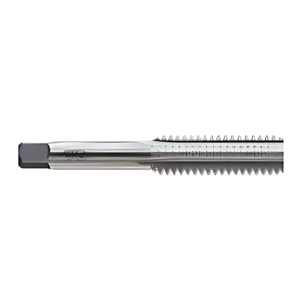
A hand tap is a hardened, fluted cutting tool turned by hand (usually with a tap wrench) to cut an internal thread inside a pre-drilled hole. As the tap advances, its cutting edges shave metal away in a spiral pattern, forming a thread that matches a specific bolt or screw standard - Metric, UNC/UNF (Imperial), BSP, or STI (Screw Thread Insert).
In plain terms: a drill makes the hole. A tap turns that plain hole into a threaded one a bolt can actually screw into.
Core Capabilities a Hand Tap Supplier Should Offer
- Multiple thread standards in stock - Metric, UNC/UNF and BSP at minimum, since UAE workshops service both European and American/British-origin machinery
- A genuine material range - HSS for general steel, HSS-E (cobalt-alloyed) for harder alloys, carbide for high-volume production tapping
- Correct chamfer types - taper, plug and bottoming taps for through-holes, standard holes and blind holes respectively
- Matching tap wrenches and accessories - T-handle and adjustable tap wrenches sized to the tap shank
- Genuine branded stock - not unmarked, soft, easily-snapped taps sold as a generic "tap set"
Who Buys Hand Taps in the UAE?
- Machine shops and CNC workshops doing repair or short-run production tapping by hand
- Marine and ship maintenance workshops re-threading corroded or damaged fittings
- Fabrication and steel structure contractors threading holes on-site
- MRO (maintenance, repair and operations) teams in factories and industrial plants
- Automotive and heavy equipment repair garages re-tapping stripped or damaged threads
Quick answer: If you don't already know whether your job needs Metric, UNC/UNF or BSP threads, stop and check the mating bolt or the equipment's country of origin before ordering - this single mix-up is the most common reason UAE buyers end up with the wrong tap.
Hand Tap vs Machine Tap: What's Actually Different?
Buyers often ask for "a tap" without realising there are two distinct families built for different driving methods - ordering the wrong one is a quiet, common mistake that only shows up once the tool is in hand.
| Feature |
Hand Tap |
Machine Tap |
| Driven by |
A tap wrench, turned manually |
A drill press, CNC machine, or power tapping head |
| Shank design |
Squared shank end for the wrench to grip |
Round or specialized shank for a machine chuck or tap holder |
| Feel and control |
Operator feels resistance and can stop immediately if the tap binds |
Consistent, repeatable speed and feed, but less tactile feedback |
| Typical use |
Repair work, one-off jobs, field and site tapping |
Production runs, CNC machining centres, high-volume tapping |
A hand tap can usually be run in a machine at low speed if needed, but a true machine tap is not designed to be gripped and turned by a tap wrench - always confirm shank type when ordering if the job could go either way.
Tap vs Die: What's the Difference?
Another mix-up that costs buyers a wasted order: a tap cuts an internal thread inside a hole (what this entire guide covers). A die cuts an external thread onto a round rod or bolt blank - the opposite job entirely. The two are sold together as a "tap and die set" because most workshops eventually need both, but a tap on its own never threads a rod, and a die on its own never threads a hole.
Q: I need to thread a bolt, rod or stud - do I need a tap or a die?
A die. Taps only cut threads inside a pre-drilled hole. If the job is putting a thread onto the outside of a round piece of metal, you need a threading die and a die stock (the holder/wrench for turning it), not a hand tap.
Common Problems When Sourcing Hand Taps in UAE (and How the Right Supplier Fixes Them)
- A tap snaps off inside an expensive part - usually from using a standard HSS tap on hardened or stainless material it was never designed to cut, or from forcing it without enough cutting lubricant and peck-tapping.
- The wrong thread standard arrives - a UNC tap ordered for what turns out to be Metric-threaded equipment, a common and costly mix-up in a market where both European and American-origin machinery run side by side.
- A production run stalls mid-batch - because the supplier had only a handful of pieces in stock and the specific size, material and chamfer combination needed restocking from overseas.
- A "cheap" tap set dulls or breaks almost immediately - unmarked or mis-graded steel sold as HSS that can't actually hold an edge in real production use.
- No local technical support - a supplier who can sell a tap but can't advise on tap drill size, cutting speed, or lubricant leaves the buyer to guess and risk a scrapped part.
None of these are the buyer's fault alone - they're sourcing problems. A supplier who stocks genuine, correctly graded taps across multiple standards, in real quantity, with someone on the phone who knows the difference between a plug tap and a bottoming tap, removes almost all of this risk before it costs you a part.
Types of Taps: Spiral Point, Spiral Flute, Straight Flute, Taper, Plug & Bottoming
Two separate classifications matter when picking a tap: the flute design (how chips are cleared) and the chamfer type (how deep the hole is and whether it goes all the way through).
| Flute Type |
How It Clears Chips |
Best For |
| Spiral Point (Gun Tap) |
Pushes chips forward, ahead of the tap |
Through-holes - the standard choice for most general tapping |
| Spiral Flute |
Pulls chips backward, up and out of the hole |
Blind holes, where chips have nowhere else to go |
| Straight Flute |
No chip-clearing bias - chips fall where they form |
Brittle materials and stainless steel, where directional chip flow matters less than edge strength |
| Chamfer Type |
Taper Length |
Used For |
| Taper Tap |
~7-10 threads tapered |
Starting a thread by hand, especially in harder materials - easiest to start straight |
| Plug Tap |
~3-5 threads tapered |
The most common all-purpose tap - through-holes and most blind holes with reasonable depth |
| Bottoming Tap |
~1-1.5 threads tapered |
Threading as close as possible to the bottom of a blind hole - usually run after a taper or plug tap has started the thread |
A typical hand tap set actually sold in the UAE combines these: a taper, plug and bottoming tap in the same thread size, run in that order to cut a full, clean thread to the bottom of a blind hole.
Hand Tap Materials and Coatings Explained: HSS vs HSS-E vs Carbide
The material a tap is made from decides what it can cut without snapping or dulling - and it's the single biggest factor behind a "why did this tap break" phone call.
- HSS (High Speed Steel) - the standard choice for general mild steel, aluminium and most everyday tapping jobs; the most affordable and widely stocked option.
- HSS-E / HSS-V (Cobalt or Vanadium Alloyed) - holds an edge in tougher, harder materials (stainless steel, higher-carbon steels) where plain HSS would dull or chip quickly.
- HSS-PM (Powder Metallurgy) - a premium-grade HSS with finer, more uniform grain structure, used where tool life and consistency matter in production runs.
- Solid Carbide - the hardest, most wear-resistant option, used in high-volume CNC and production tapping of abrasive or hardened materials, though more brittle and less forgiving of hand-tapping technique than HSS.
Coatings add a further layer of performance on top of the base material:
- TiN (Titanium Nitride) - a gold-coloured coating that reduces friction and extends tool life in general-purpose use.
- TiAlN / "Hardslick"-type coatings (TiAlN + WC/C) - higher heat resistance, suited to harder alloys and faster cutting speeds.
- Steam Oxide - a black oxide finish that adds mild corrosion resistance and some lubricity, common on mid-range taps.
Buyer tip: If you're repeatedly snapping taps in the same material, the fix is almost never "push harder" - it's usually the wrong material grade or chamfer type for the job. Ask your supplier what HSS-E or carbide would cost before writing off the extra snapped taps as normal wear.
Which Hand Tap Material Should You Choose?
Rather than picking by price, work backward from two questions: how hard is the material you're cutting, and how many holes are you tapping? That decides the material grade that actually makes sense.
- Occasional tapping in mild steel or aluminium? Standard HSS is the right call - no need to pay more.
- Repeated tapping in stainless steel or tougher alloys? Step up to HSS-E or HSS-V - the extra cost pays for itself in fewer snapped taps and a cleaner thread finish.
- High-volume production tapping, same size, day after day? HSS-PM or solid carbide, matched to a machine tap setup rather than hand tapping, gives the longest tool life per hole.
- Tapping on-site, in the field, with no way to predict material hardness exactly? A mid-grade coated HSS tap (TiN or steam oxide) offers the best balance of toughness and edge life for unpredictable conditions.
Hand Tap Selection by Workpiece Material
| Workpiece Material |
Recommended Tap Material |
Notes |
| Mild Steel |
Standard HSS |
The most forgiving material to tap; any decent-quality HSS tap handles it well |
| Stainless Steel |
HSS-E (cobalt) or coated HSS |
Work-hardens quickly if the tap hesitates - keep steady pressure and use cutting lubricant |
| Aluminium |
Standard HSS, uncoated or TiN |
Soft and easy to cut, but prone to chip-packing - spiral point or spiral flute choice matters more here than material grade |
| Cast Iron |
Standard HSS or HSS-E |
Produces fine, gritty chips rather than curls - straight flute taps are often preferred, and a light touch of lubricant still helps despite cast iron's natural graphite lubrication |
| Hardened or Tool Steel |
HSS-PM or solid carbide |
Standard HSS will dull or snap quickly; this is where the extra material cost is unavoidable, not optional |
| Brass / Bronze |
Standard HSS |
Free-cutting materials - the main risk is over-tightening and cracking a thin-walled part, not tool wear |
Cutting Lubricant for Hand Tapping: Why It Matters More Than the Tap Itself
More snapped taps come down to missing or wrong lubricant than to a bad tap. Lubricant reduces friction, clears heat, and helps chips break away cleanly instead of welding to the cutting edge.
- Steel and stainless steel - use a dedicated cutting oil or tapping fluid; stainless in particular punishes a dry or under-lubricated tap with rapid work-hardening and galling.
- Aluminium - a light cutting oil or even kerosene-based fluid works well; aluminium can gum up a tap without lubrication even though it's a soft material.
- Cast iron - often tapped dry, since its natural graphite content provides some self-lubrication, though a light oil still reduces heat on deeper holes.
- Brass and bronze - usually tapped dry or with minimal lubricant; too much oil can actually make chip clearance messier on these free-cutting metals.
- Stainless specifically - never run a tap dry in stainless. Apply lubricant generously and back the tap off every half to full turn (peck-tapping) to break the chip and let fluid reach the cutting edge.
Buyer tip: Ask your supplier to recommend a lubricant alongside the tap, especially for stainless or hardened material jobs - a correctly matched tap run dry still fails more often than a mid-grade tap run with the right fluid.
Thread Standards Stocked in UAE: Metric, UNC/UNF, BSP and STI
The UAE's industrial base runs equipment sourced from Europe, the US, the UK and Asia side by side - which means a workshop here genuinely needs more thread standards on the shelf than a single-origin market would.
- Metric (M) - the standard on most European, Japanese and Korean machinery and increasingly the UAE construction and industrial default; sizes expressed as diameter × pitch (e.g. M8 x 1.25).
- UNC / UNF (Unified Coarse / Unified Fine) - the Imperial standard common on US-origin machinery, oil & gas equipment and older plant; sizes expressed as diameter-threads per inch (e.g. 1/4-20 UNC).
- BSP (British Standard Pipe) - common on legacy British-specification plumbing, hydraulic and pneumatic fittings still found across older UAE infrastructure. BSP splits into two distinct forms that are not interchangeable:
- BSPP (parallel) - straight, non-tapered threads that seal using a washer or O-ring at the joint face, typically used where a mechanical seal is fitted separately
- BSPT (tapered) - tapered threads that seal by wedging tight as they're screwed together, commonly used on pipe fittings where the thread itself creates the seal
- STI (Screw Thread Insert) - a specific thread form cut to accept a helical wire thread insert (such as a Heli-Coil), used to repair stripped threads or reinforce threads in soft materials like aluminium.
Buyer tip: Before ordering, check the equipment manual or the mating bolt's head markings rather than assuming. Before ordering, check the equipment manual, fastener specification or measure the mating bolt's diameter and thread pitch. Metric threads are identified by diameter and pitch in millimetres, while UNC/UNF threads are specified by diameter and threads per inch (TPI).
Verified Hand Tap Suppliers in UAE
Al Sakeena Building Materials & Electricals Trading - SCARB & VÖLKEL Hand Taps in Dubai
Al Sakeena Building Materials & Electricals Trading
Dubai, UAE
Phone:+971 4 227 1266
Hand Tap Brands: SCARB® and VÖLKEL®
Hand Tap Types & Thread Standards:Metric ISO, Metric Fine, Left-Hand Metric, UNC, UNF, UNEF, BSW, BSF, BA, BSP and other specialised threading options.
- SCARB® Metric Hand Taps: FYIND-listed SCARB Hand Taps include Metric ISO Thread DIN 13 products manufactured from High Speed Steel-G. One listed tap specifies 32 mm overall length, DIN 352 standard and ISO2 (6H) tolerance, with a 2.5 mm shank diameter, 2.1 mm drive connector and 5.5 mm thread length.
- SCARB® thread options: The listed Hand Tap range includes Metric ISO, Metric Fine, Left-Hand Metric ISO, Unified Coarse (UNC), Unified Fine (UNF), British Standard Fine BS 84, Whitworth BS 84, BA Thread BS 93 and Pipe Thread DIN ISO 228 options.
- VÖLKEL® Hand Taps: ASBMET lists VÖLKEL as a brand for thread-cutting tools and provides dedicated VÖLKEL tap products, including BSP HSS Tap Sets, BSW HSS Tap Sets, HSS Left-Hand Tap Sets, UNC HSS Tap Sets, UNF HSS Tap Sets and UNS HSS Tap Sets.
- VÖLKEL metric and fine threads: VÖLKEL's Hand Tap range covers Metric (M), Metric Fine (MF), BSW, BSF, BA, UNC, UNF and UNEF thread systems, giving buyers options for both metric and imperial applications.
- VÖLKEL Left-Hand Hand Taps: Dedicated left-hand tap options are available for applications requiring reverse thread direction. VÖLKEL's threading catalogue separately identifies Left-Hand Hand Taps for metric, metric fine and selected imperial thread systems.
- VÖLKEL HSS construction: The listed VÖLKEL tap products include HSS tap sets, making them suitable for general metalworking and workshop threading applications.
- Pipe-thread options: VÖLKEL listings include BSP HSS Tap Sets, while SCARB listings include Pipe Thread DIN ISO 228, giving buyers options for compatible pipe-thread applications.
- STI/thread-insert option: Al Sakeena also lists V-COIL STI tapping products for wire-thread-insert applications. These should be specified separately when the requirement is for thread-insert repair rather than a conventional Hand Tap.
Hand Tap specifications to confirm before ordering: Brand, nominal tap size, thread pitch or TPI, thread standard, right-hand or left-hand direction, tap type, overall length, thread length, shank diameter, material, tolerance and required quantity.
Best suited for:Metric and metric fine threads, left-hand threads, UNC, UNF and UNEF imperial threads, BSW, BSF and BA threads, BSP/pipe-thread applications and specialised threading requirements.
Lakdawala Trading Co LLC - Volkel HSS Hand Taps in Metric & Imperial Thread Sizes, Dubai
Lakdawala Trading Co LLC
Dubai, UAE
Phone: +971 4 252 3947
Hand Tap Brand: VÖLKEL
Hand Tap Range:Hand Taps
Lakdawala Trading Co LLC lists VÖLKEL HSS hand tap sets in multiple metric, imperial and pipe-thread standards. Its published Volkel range includes BSPF, BSPT, BSW, Metric Coarse, Metric Fine, NPT, UNC, UNEF, UNF and UNS hand-tap sets, making it a useful Dubai source for workshops, maintenance teams, fabrication units and engineering applications requiring different internal thread forms.
- Metric coarse hand taps:VÖLKEL HSS tap sets for standard metric ISO threads, with the range extending across commonly used metric sizes. Volkel's manufacturer range includes sets from approximately M1 to M100, depending on the tap configuration and set type.
- Metric fine hand taps:VÖLKEL HSS sets for finer-pitch metric threads, with sizes and pitches such as M6 × 0.75 through M24 × 1.5 represented in the manufacturer's hand-tap range.
- UNF hand taps:VÖLKEL HSS sets for Unified Fine threads, covering inch sizes from small UNF threads through larger sizes. The manufacturer's range includes approximately UNF No. 0 to UNF 1-1/2, depending on configuration.
- UNC hand taps:VÖLKEL HSS sets for Unified Coarse threads, with manufacturer-listed sizes extending from approximately UNC No. 1 to UNC 3".
- UNEF hand taps:VÖLKEL HSS sets for Unified Extra Fine applications, including sizes from approximately UNEF 1/4 to 1".
- UNS hand taps:VÖLKEL HSS sets for Unified Special thread requirements where standard UNC or UNF thread series may not be suitable.
- BSW hand taps:VÖLKEL HSS Whitworth hand-tap sets for British Standard Whitworth threads, with manufacturer-listed sizes extending from approximately BSW 1/16 to 3".
- BSPF hand taps:VÖLKEL HSS sets for British Standard Pipe Fine / parallel pipe-thread applications.
- BSPT hand taps:VÖLKEL HSS sets for British Standard Pipe Taper threads used for threaded pipe and fitting applications.
- NPT hand taps:VÖLKEL HSS sets for National Pipe Taper thread applications, suitable where tapered internal pipe threads are required.
- HSS construction:The listed VÖLKEL hand-tap sets use high-speed steel construction and are available in different tap-set configurations depending on thread standard and application.
- Tap-set configurations:VÖLKEL's hand-tap range includes 2-piece and 3-piece sets. Depending on the thread standard, configurations can include taper, intermediate/second and plug or finishing taps.
Best suited for: Manual internal-thread cutting, maintenance workshops, machinery repair, fabrication, MEP work, pipe-thread applications, automotive repair and general engineering where metric or imperial thread standards are required.
Why consider Lakdawala: The supplier's published Volkel catalogue provides access to a broad selection of HSS hand-tap standards rather than limiting buyers to metric taps. Buyers can enquire for the required thread standard, nominal size, pitch/TPI, tap-set configuration and quantity before ordering.
HASACO Ship Chandlers LLC - Metric & Carbon Steel Hand Taps, Dubai
HASACO Ship Chandlers LLC
Dubai, UAE
Phone: +971 4 298 9582
Main Category:Hand Tap
- Hand Tap Range: HASACO Ship Chandlers LLC lists Metric Coarse, Metric Fine and other hand-tap configurations for maintenance and workshop applications.
- High Speed Steel Metric Coarse Hand Tap: Model/code 631063, diameter 3 mm and pitch 0.5 mm. The listed material is High Speed Steel (HSS).
- Carbon Steel Metric Coarse Hand Tap: Model/code 631006, diameter 1.7 mm and pitch 0.35 mm. The listed material is Carbon Steel.
- Metric Fine Thread Hand Tap: Model/code 631275, diameter 39 mm, pitch 1.5 mm and length 115 mm. The listed material is not specified on the displayed product information.
- Metric Fine Thread Hand Tap: Model/code 631274, diameter 39 mm, pitch 2 mm and length 165 mm. The displayed product information identifies it as High Speed Steel.
- Thread options: The published products include Metric Coarse and Metric Fine hand taps, with different pitch specifications depending on the model.
- Material options: The displayed listings include both High Speed Steel and Carbon Steel hand taps.
- Size and pitch: Published examples include 1.7 mm and 3 mm diameter taps, with pitches of 0.35 mm, 0.5 mm, 1.5 mm and 2 mm depending on the model.
Best suited for: Marine maintenance, ship-repair workshops and mechanical maintenance applications requiring metric hand taps in different materials, diameters and thread pitches.
YG-1 Middle East FZE - YG-1 Hand Taps for Industrial Threading, Sharjah
YG-1 Middle East FZE
Warehouse P6-055, YG 1 Building, Sharjah Airport International Free Zone, Sharjah
Phone: +971 6 522 1419
Confirmed Categories: Drilling Tools, Hole Making Tools, Tooling Systems, Turning Tools
- YG-1's official product catalogue includes Hand Taps under its threading tool range, with dedicated series covering different thread standards, materials and applications.
- Its hand-tap range includes options such as DIN352 Hand Bright Sets, DIN2181 Hand Bright Sets, JIS J-Type Hand Bright and ANSI Hand Steam Oxide hand taps.
- YG-1's official threading catalogue covers hand taps for Metric, UNC/UNF, BSW and pipe-thread applications, with HSS and other material options available across its threading range.
- Fyind also lists YG-1 HSS Screw Thread Insert Hand Taps supplied by YG-1 Middle East FZE, including 1.5P and 5.0P variants.
- UAE buyers can contact YG-1 Middle East FZE in Sharjah to confirm the required tap series, thread size, pitch, material, availability and order quantity.
Saadiyat Building Materials Trading LLC - Bosch Hand Taps & Drilling Tools Supplier, Dubai
Saadiyat Building Materials Trading LLC
Dubai, UAE
Phone: +971 4 224 0510
Main Hand Tap & Tooling Range: Bosch Plug Taps, Pipe Taps, Taper Taps, Bottoming Taps and Drill & Tap Combinations
- Saadiyat Building Materials Trading LLC has a dedicated Hand Tap product category on its FYIND digital store, with multiple Bosch tapping products listed for buyers in the UAE.
- Its listed range includes Bosch Drill & Tap Combination, Bosch Plug Tap, Bosch Pipe Tap, Bosch Taper Tap and Bosch Bottoming Tap products, covering different threading applications and thread standards.
- The listed Bosch Pipe Tap is specified with an NPT thread standard, while the Bosch Drill & Tap Combination and other tap products have individual size and specification details that should be checked against the required application before ordering.
- Saadiyat is a suitable option for buyers looking for Bosch-branded tapping and drilling consumables in Dubai, particularly where hand taps need to be sourced alongside drill bits and other cutting tools.
- Confirm the required tap type, thread standard, size, availability and current stock with the supplier before placing an order.
Abasco Tools Trading LLC - HSS Hand Taps & Threading Tools Supplier, Dubai
Abasco Tools Trading LLC
Dubai, UAE
Phone: +971 4 262 1666
Hand Tap Range: HSS Hand Tap & Short Machine Tap, Metric Coarse Thread
- Abasco Tools Trading LLC lists an HSS Hand Tap & Short Machine Tap under its Threading Tools range, making it a directly relevant supplier for hand tapping requirements in Dubai.
- The listed tap has Item Code 07-180 and is manufactured from HSS M2 with a stated hardness of HRC 63–65.
- The tap is suitable for both hand and machine tapping and is designed for metric coarse threads.
- The product specifies a 6H tolerance for producing precise internal threads, making it relevant for workshop, maintenance and general machining applications.
- Abasco also deals in precision measuring and cutting tools, making it a useful supplier where hand taps need to be sourced alongside other threading and workshop tooling.
- Confirm the required thread size, quantity and current UAE stock with the supplier before ordering.
Which Hand Tap Supplier Fits Your Need? Quick Match Table
| Your Need |
Best Match |
Location |
| Specific UNF/extra-fine or STI thread-insert taps |
Al Sakeena Building Materials & Electricals Trading |
Dubai |
| Taps plus Mitutoyo precision measuring tools in one order |
Lakdawala Trading Co LLC |
Dubai |
| Marine, ship or dockside maintenance tapping |
HASACO Ship Chandlers LLC |
Dubai |
| Factory-direct, manufacturer-grade taps across HSS to carbide |
YG-1 Middle East FZE |
Sharjah Airport Free Zone |
| Drilling and cutting consumables, taps as a secondary enquiry |
Saadiyat Building Materials Trading LLC |
Dubai |
| Thread gauges and cutting dies alongside taps |
Abasco Tools Trading LLC |
Dubai |
Hand Tap Sizes and Specifications: How to Read a Tap Designation
Tap part numbers and labels pack in several pieces of information at once. Here's how to decode two real examples:
- Metric example - M6 x 1.0, D5, 3-Flute, Spiral Point, Super HSS, Hardslick Coated: M6 is the nominal diameter (6mm), 1.0 is the thread pitch (mm between threads), D5 is the thread tolerance limit, 3-Flute describes the flute count, Spiral Point is the chip-clearing design, and the rest describes material and coating.
- Imperial example - 1/4-20, H3, 3-Flute, Plug Chamfer, Super HSS: 1/4 is the nominal diameter (inches), 20 is threads per inch (TPI), H3 is the thread tolerance class, 3-Flute is the flute count, and Plug Chamfer confirms the chamfer type.
The "H" or "D" tolerance class number matters more than buyers often realise - it controls how tight or loose the finished thread fits its mating bolt. If a part needs to meet a specific fit standard, confirm the tolerance class with your supplier, not just the nominal size.
How to Hand Tap a Hole: Step-by-Step Guide
Cutting a clean thread by hand is a repeatable process, not a matter of luck - most failed threads and broken taps trace back to skipping one of these steps.
- Drill the correct tap drill size hole first. Confirm the exact drill size for your thread size and material - an undersized hole is the single most common cause of a snapped tap.
- Deburr and clean the hole. Remove any burr around the hole mouth with a countersink or deburring tool, and clear away drilling swarf so it doesn't contaminate the cut.
- Apply cutting lubricant. Add cutting oil or tapping fluid suited to the material (see the lubricant guidance above) before the tap ever touches the hole - never start dry on steel or stainless.
- Start the tap square to the hole. Set the tap vertically (or perpendicular to the surface) by eye or with a square, and apply light, even downward pressure while beginning to turn the tap wrench.
- Check squareness within the first one to two turns. Stop and visually confirm - or check with a square - that the tap is entering straight before it's cut too deep to correct. A tap started at an angle will cut a crooked, weak thread.
- Turn forward, then back off to break the chip. A common rhythm is roughly half to one full turn forward, then a quarter-turn back - this "peck-tapping" action breaks the chip cleanly instead of packing it ahead of the tap, and is especially important in stainless steel and blind holes.
- Clear chips periodically. Back the tap out fully every few turns on deeper holes to clear accumulated chips, particularly in blind holes where chips have nowhere else to go.
- Switch taps in sequence for blind holes. Run the taper tap first to start the thread, then the plug tap to continue it, then the bottoming tap last to finish as close to the hole's base as possible.
- Back the tap out completely once the thread is cut. Reverse the tap out the way it went in rather than trying to run it further than the thread depth requires.
- Check the finished thread. Run a test bolt or, for anything critical, a Go/No-Go thread plug gauge through the hole to confirm the thread is within tolerance before the part moves on.
Buyer tip: If a tap feels like it's binding or getting harder to turn partway through, stop immediately rather than forcing it. That resistance is almost always a warning sign - a dry spot, a chip jam, or the tap starting to bind - and continuing to force it is exactly how taps snap off inside the hole.
How to Remove a Broken or Snapped Tap
This is the exact scenario - a snapped tap buried in a part. It's not always a scrapped job. Depending on the tap's size, material and how deep it broke, one of the following methods usually gets it out.
- Tap extractor (the standard first attempt) - a tool with thin fingers that slide down into the broken tap's flutes, gripping it so a wrench can back it out. Select the extractor sized to the broken tap, insert the fingers fully into the flutes before applying any turning force, and back it out slowly and evenly rather than forcing it.
- Drill-out extractor - for a tap broken too shallow or too damaged for finger-type extractors to grip, a small pilot hole is drilled into the centre of the broken tap, followed by a purpose-made drill-out extractor sized to the tap, which threads itself into the broken piece and backs it out as it's turned.
- Heat and anneal (for stubborn high-speed steel taps) - heating the broken tap to a bright red colour with a torch and allowing it to cool slowly softens the hardened HSS, making it easier to drill out or collapse with a punch afterward. This only works on HSS, not carbide, and requires care not to damage the surrounding workpiece material.
- EDM (electrical discharge machining) - for a high-value or precision part where drilling risks damaging the surrounding thread or hole alignment, an EDM specialist can erode the broken tap out without mechanical contact at all. This is typically a last resort reserved for expensive or hard-to-replace components.
- Prevention is cheaper than extraction - correct tap drill size, adequate lubricant, peck-tapping, and matching the tap material to the workpiece hardness (covered earlier in this guide) prevent the large majority of breakages in the first place.
Common Metric Hand Tap Drill Sizes
These are the most frequently used Metric coarse-thread combinations and their standard tap drill sizes, giving roughly 75% thread engagement - a good general-purpose target for most jobs. Always confirm against a full tap drill chart for anything load-bearing or non-standard.
| Thread Size |
Pitch |
Tap Drill Size |
| M3 | 0.50 | 2.5 mm |
| M4 | 0.70 | 3.3 mm |
| M5 | 0.80 | 4.2 mm |
| M6 | 1.00 | 5.0 mm |
| M8 | 1.25 | 6.8 mm |
| M10 | 1.50 | 8.5 mm |
| M12 | 1.75 | 10.2 mm |
| M14 | 2.00 | 12.0 mm |
| M16 | 2.00 | 14.0 mm |
These figures are for coarse-pitch threads in general-purpose materials. Fine-pitch Metric threads, and any thread in a harder material where a slightly larger drill is used to ease tapping, will differ - ask your supplier for the exact drill size for your specific tap and material.
UNC & UNF Tap Drill Sizes: Imperial Drill Chart
The Imperial equivalent of the metric drill chart above, covering common UNC and UNF sizes used in general machining and maintenance applications. The listed drill sizes are general-purpose recommendations; actual tap-drill selection can vary with the required thread engagement, material and tapping method.
| Thread Size |
Series |
Threads Per Inch (TPI) |
Tap Drill Size |
| 1/4" |
UNC |
20 |
#7 (0.201") |
| 1/4" |
UNF |
28 |
#3 (0.213") |
| 5/16" |
UNC |
18 |
Letter F (0.257") |
| 5/16" |
UNF |
24 |
Letter I (0.272") |
| 3/8" |
UNC |
16 |
5/16" (0.3125") |
| 3/8" |
UNF |
24 |
Letter Q (0.332") |
| 7/16" |
UNC |
14 |
Letter U (0.368") |
| 7/16" |
UNF |
20 |
25/64" (0.3906") |
| 1/2" |
UNC |
13 |
27/64" (0.4219") |
| 1/2" |
UNF |
20 |
29/64" (0.4531") |
These are general-purpose tap-drill recommendations. For critical, load-bearing or non-standard applications, confirm the required thread percentage and tap-drill size against the relevant tap manufacturer's chart or applicable engineering standard.
Hand Tap Cost in UAE: What Affects Pricing
- Material grade - plain HSS is the cheapest; HSS-E, HSS-PM and solid carbide cost progressively more but last far longer in hard materials.
- Coating - an uncoated or steam-oxide tap costs less upfront than a TiN or Hardslick-coated one, but the coated tap typically outlasts it several times over in production use.
- Size and standard - common sizes (M6, M8, 1/4-20, 3/8-16) in Metric and UNC are the cheapest and most readily stocked; unusual sizes or STI taps often cost more and may need to be ordered in.
- Single tap vs full taper-plug-bottoming set - buying a complete three-piece set for blind-hole work costs more than a single plug tap but avoids a second order when the job needs full-depth threads.
- Order quantity - production users ordering in bulk typically get meaningfully better per-piece pricing than a single-tap workshop purchase.
Indicative Hand Tap Price Ranges in UAE
| Tap Type / Material |
Typical UAE Price (AED, per piece) |
| Standard HSS single tap, common size (M6, M8, 1/4-20) |
15 - 45 |
| HSS-E (cobalt) single tap, common size |
35 - 90 |
| Solid carbide single tap |
80 - 250+ |
| 3-piece taper/plug/bottoming HSS set, common size |
60 - 150 |
| STI / thread-insert tap, common size |
40 - 120 |
| Tap wrench (T-handle or adjustable) |
20 - 80 |
| Go/No-Go thread plug gauge, common size |
80 - 300+ |
These are indicative market ranges for guidance only, not fixed quotes. Uncommon sizes, specialised coatings and bulk production orders all move pricing in either direction - always request a current itemised quote from the supplier for your exact size, material and quantity.
Buyer tip: A noticeably cheaper "HSS" tap with no visible brand marking is the most common source of snapped-tap complaints. Ask any supplier to confirm the manufacturer and material grade in writing before buying in bulk.
How to Check a Tapped Thread
Cutting the thread is only half the job - confirming it's actually correct before the part moves on prevents a far more expensive failure down the line.
- Go/No-Go thread plug gauges - the standard check. The "Go" end should screw in smoothly by hand; the "No-Go" end should not enter more than a turn or two. If the No-Go end threads in fully, the hole is cut oversize and the part may need to be scrapped or re-worked.
- Thread ring gauges - the equivalent check for external threads cut with a die, confirming the thread fits within tolerance rather than just "looking right."
- A test bolt or fastener - a quick, informal check: the actual bolt that will be used should thread in smoothly, by hand, for the full depth, with no excessive looseness or binding. This isn't a substitute for a proper gauge on critical parts, but it catches obvious errors fast.
- Visual inspection - check for torn or ragged threads, which usually point to the wrong tap drill size, a dull tap, or missing lubricant during cutting.
Buyer tip: For any production run or structural part, buy the matching Go/No-Go gauge alongside the tap itself rather than relying on "it felt right" - several suppliers in this list, including Al Sakeena and Lakdawala, stock precision gauges and measuring tools alongside their taps for exactly this reason.
How to Choose the Right Hand Tap: Questions to Ask Before You Buy
- What material am I tapping, and how hard is it? Mild steel, stainless, aluminium and cast iron all call for different tap material and even different techniques.
- Is the hole through or blind? Determines whether you need a spiral point (through) or spiral flute (blind) tap, and whether you'll need a bottoming tap as well.
- What thread standard does the mating bolt use? Confirm Metric, UNC/UNF, BSP or STI before ordering - never assume.
- Do you stock the full taper-plug-bottoming set in this size? Relevant for any blind-hole job that needs threads cut close to the bottom.
- What tap drill size do I need for this tap? A supplier who can answer this correctly, on the spot, is one who actually understands tapping - not just selling a part number.
- Is this genuine branded stock, and can you confirm the material grade? Especially important for bulk or production orders where a batch of mis-graded taps is expensive to discover mid-run.
Frequently Asked Questions About Hand Tap Suppliers in UAE
What is the difference between a hand tap and a machine tap?
A hand tap is designed to be turned by hand with a tap wrench, with a squared shank end for the wrench to grip. A machine tap is designed for power-driven use in a drill press, CNC machine or tapping machine, and often has a different shank and geometry optimised for continuous machine rotation.
How do I know if I need Metric or UNC/UNF taps?
Check the mating bolt or the equipment's country of origin and specification sheet. A bolt marked in millimetres (e.g. M8) is Metric; a bolt marked with a fraction (e.g. 3/8") is Imperial - almost always UNC or UNF. When in doubt, measure the bolt diameter and thread pitch and compare against a thread chart rather than guessing.
Why does my hand tap keep snapping?
The most common causes are using the wrong material grade for the workpiece hardness, an incorrect tap drill size leaving too little clearance, insufficient cutting lubricant, or not backing the tap off periodically to break and clear chips (peck-tapping). A snapped tap is almost always a technique or material-match problem, not bad luck.
What is an STI tap used for?
An STI (Screw Thread Insert) tap cuts a specific thread form designed to accept a helical wire thread insert, commonly used to repair a stripped thread or to reinforce a thread in a soft material like aluminium so it can handle a standard bolt without stripping again.
Can I use a hand tap on stainless steel?
Yes, but a standard HSS tap will dull quickly and is more prone to snapping in stainless. An HSS-E (cobalt-alloyed) or coated tap, run with proper cutting lubricant and a slower, more deliberate technique, holds up far better on stainless and other harder alloys.
Do I need a taper, plug and bottoming tap, or just one?
For a through-hole, a plug tap alone is usually enough. For a blind hole where threads need to reach close to the bottom, you typically need all three in sequence - taper to start the thread straight, plug to continue it, and bottoming to finish as close to the hole's base as possible.
What tap drill size should I use?
Tap drill size depends on the thread size, pitch, and desired percentage of thread engagement, and is normally taken from a standard tap drill chart rather than calculated on site. Ask your supplier for the correct tap drill size for your specific tap before drilling, since using the wrong drill size is a common cause of broken taps and poor thread fit.
Are cheaper unbranded hand taps worth buying?
For a one-off, low-stakes job in soft material, an unbranded tap may work fine. For anything repeated, structural, or in harder material, unbranded or mis-graded taps are the most common cause of snapped taps and inconsistent thread quality - the cost difference rarely justifies the risk of a ruined part.
Can hand tap suppliers in Dubai deliver to other emirates?
Most UAE industrial tool suppliers, including those listed here, serve customers across all seven emirates, either through direct delivery or courier. Confirm delivery timeframes and any minimum order value directly with the supplier for your location.
What's the difference between HSS and carbide hand taps?
HSS is tougher and more forgiving of hand-tapping technique, making it the standard choice for manual work. Carbide holds an edge far longer and cuts harder materials more easily but is more brittle - better suited to consistent, machine-driven tapping than hand use where technique can vary.
What's the difference between a tap and a die?
A tap cuts an internal thread inside a pre-drilled hole. A die cuts an external thread onto a round rod, bolt blank or stud - the opposite job. The two are sold together as a "tap and die set" because most workshops need both, but neither does the other's job.
How do I remove a broken tap stuck in a hole?
Start with a tap extractor sized to the broken tap, sliding its fingers into the tap's flutes before applying turning force. If the break is too shallow or damaged for an extractor to grip, drill a pilot hole into the tap's centre and use a drill-out extractor instead. For stubborn HSS taps, heating the tap red-hot and allowing it to cool slowly can soften it for easier removal. For high-value or precision parts, EDM removal avoids any risk of further damage.
What drill size do I use for a 1/4-20 UNC tap?
A #7 drill bit (0.201 inch) is the standard tap drill size for a 1/4-20 UNC thread, giving roughly 75% thread engagement. For the finer 1/4-28 UNF thread, use a #3 drill bit (0.213 inch) instead.
What does the 'H' number on a tap mean, and is it the same as a 2B or 3B thread class?
No - they're different things. The H-number (H1, H2, H3, etc.) describes how much the tap itself is ground oversize, a property of the tool. The 2B/3B designation describes the tolerance class of the finished thread in the part. A specific H-limit tap is chosen to produce a specific thread class, but the two numbers aren't interchangeable.


 0

