When your material handling operations demand robust, reliable solutions for transporting heavy loads, pallets, or irregularly shaped items, chain conveyor systems deliver unmatched performance across Dubai, Abu Dhabi, Sharjah, and throughout the Emirates. Understanding the right chain conveyor specifications, types, and suppliers can significantly impact your operational efficiency and long-term investment returns.
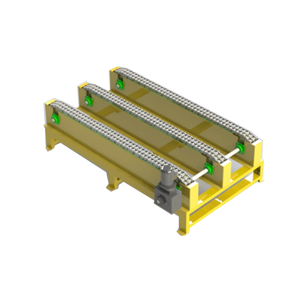
A chain conveyor is an industrial material handling system that utilizes continuous chain arrangements—typically roller chains or engineering class chains—to transport products through manufacturing, warehousing, and distribution facilities. Unlike belt conveyors, chain conveyor systems excel at moving heavy-duty loads by directly supporting materials on hardened steel chains that run over sprockets. These conveyors feature precision-engineered journal bearings with case-hardened pins and bushes, ensuring exceptional wear resistance even under extreme pressure and load conditions.
Industrial chain conveyors in UAE facilities commonly operate in single-strand, double-strand, or multi-strand configurations depending on load requirements. The chain pitch, tensile strength, and roller diameter are carefully selected based on your specific application, with systems capable of handling loads from 500 kg to over 10,000 kg per conveyor section.
Understanding different chain conveyor types helps you select the optimal solution for your Dubai or Sharjah manufacturing facility:
Chain conveyor systems serve critical functions across multiple Emirates-based industries. Automotive assembly plants in Dubai and Abu Dhabi rely on heavy duty chain conveyors to move vehicle frames, engines, and body panels through production stations. Food processing and beverage bottling facilities throughout UAE use stainless steel chain conveyors meeting stringent hygiene standards. Warehousing and logistics operations in Jebel Ali Free Zone depend on pallet chain conveyors for efficient distribution center operations. Metal fabrication workshops use chain conveyors to handle steel components, while packaging manufacturers integrate chain systems for smooth product flow.
When evaluating chain conveyor suppliers in UAE, consider these critical specifications that directly impact performance and longevity:
Chain conveyors offer distinct benefits that make them preferred choices for demanding UAE industrial applications. They handle products with irregular bottom surfaces or wrong-way pallets that would jam on roller conveyors. Heavy-duty construction withstands shock loading from automated equipment and forklift impacts common in busy warehouses. Modular chain design allows easy maintenance—individual damaged links can be replaced without dismantling entire sections, minimizing costly downtime. Chain systems operate reliably in high-temperature zones up to 400°C for furnace and kiln applications. The positive drive mechanism prevents slippage even when conveying inclined or declined paths up to 30 degrees.
Partnering with experienced chain conveyor manufacturers in UAE ensures proper system design and ongoing support. Evaluate suppliers based on their ability to provide customized engineering solutions tailored to your facility constraints and production requirements. Verify they stock genuine replacement parts including chains, sprockets, and drive components for quick repairs. Assess their after-sales service capabilities, including installation supervision, operator training, and preventive maintenance programs. Request references from similar industries operating in UAE to validate reliability and performance claims. Compare total cost of ownership rather than just initial purchase price—quality chain conveyors with proper lubrication systems and hardened components deliver 10-15 year operational lifespans with minimal maintenance.
Whether you're establishing a new manufacturing facility in Dubai Industrial City, expanding warehouse operations in Abu Dhabi, or upgrading existing material handling systems in Sharjah, selecting the appropriate chain conveyor system requires balancing technical specifications with budget and timeline constraints. Connect with multiple chain conveyor suppliers across UAE, provide detailed application information including product dimensions, weights, throughput rates, and environmental conditions. Request detailed proposals with 3D layouts, itemized quotations, and installation timelines. For complex projects, consider engaging suppliers offering turnkey solutions including design, fabrication, installation, and commissioning services.
The right industrial chain conveyor system transforms your material handling efficiency, reduces labor costs, and ensures consistent production flow for years to come. Start your supplier evaluation today to find the perfect chain conveyor solution for your UAE operations.
1. What are the main industrial applications for chain conveyors in the UAE?
Chain conveyors are essential for heavy-duty material handling in Dubai, Abu Dhabi, and across the UAE. Key applications include cement plants, steel manufacturing, fertilizer processing, mining, and automotive assembly lines. They excel in moving pallets, drums, and bulky raw materials in harsh environments.
2. Why should I choose a chain conveyor over a belt conveyor for my UAE facility?
Opt for a chain conveyor system when you need to move extremely heavy, hot, abrasive, or oily loads. Unlike belt conveyors, chains offer superior strength, durability, and can withstand the demanding conditions common in UAE industrial zones like JAFZA or KIZAD.
3. What types of chain conveyors are best for the Middle East climate?
For the UAE's high temperatures and dust, enclosed drag chain conveyors and forged chain conveyors are ideal. They protect materials from contamination and are built with heat-resistant and anti-corrosion components, ensuring reliable performance in GCC industrial settings.
4. How do I find a reliable chain conveyor supplier in Dubai?
Look for a leading chain conveyor supplier in Dubai with a proven track record. They should offer custom-engineered solutions, local technical support, and a strong service network for material handling equipment maintenance across the Emirates.
5. Can chain conveyors be customized for my specific factory layout?
Absolutely. Reputable industrial conveyor manufacturers in the UAE provide custom chain conveyor design. They engineer solutions for tight spaces, inclines, declines, and multi-directional movement to optimize your factory automation and workflow.
6. What maintenance is required for a chain conveyor system?
Regular maintenance is minimal but critical. It includes lubrication (often with dry lubricants for dusty areas), checking chain tension, sprocket inspection, and monitoring wear parts. A good supplier will offer comprehensive after-sales service to minimize downtime.
7. Are chain conveyors suitable for the food and beverage industry in the UAE?
Yes, with specific design features. For F&B processing, you need stainless steel chain conveyors with hygienic design, easy-clean surfaces, and FDA-approved materials. This is crucial for meeting the strict standards of UAE food production facilities.
8. What is the average lead time for installing a chain conveyor in Abu Dhabi?
Lead time depends on complexity. For standard chain conveyor systems, it can be 6-8 weeks. For fully custom bulk handling solutions, engineering and fabrication may take 10-14 weeks. A local supplier with in-country assembly can often expedite installation.
9. How energy-efficient are modern chain conveyor systems?
Today's engineered chain conveyors are highly efficient. Features like variable frequency drives (VFDs), low-friction chains, and optimized load distribution reduce power consumption, a key consideration for sustainable industrial operations in the UAE.
10. What is the key factor in ensuring a long conveyor chain lifespan?
The two key factors are correct specification (choosing the right chain grade and coating for your load and environment) and proactive maintenance. Partnering with a top conveyor system integrator in the UAE ensures both from the start.