
Essential Guide to Gland Shroud Systems, Suppliers & Safety Standards in UAE
As one of the trusted gland shroud suppliers in the UAE, we support contractors, MEP companies, panel builders, and industrial maintenance teams with durable solutions engineered for regional conditions. This page is your complete knowledge hub—built to guide purchasing decisions, resolve technical doubts, and help you choose the correct gland shroud for your project.
Choosing the right gland shroud is more than a small accessory decision—it directly impacts cable longevity, project safety, and IP protection levels across electrical installations in the UAE. With harsh desert climates, fluctuating temperatures, and demanding industrial environments, UAE engineers rely on high-quality, weather-resistant gland shrouds to maintain full cable sealing and prevent moisture, dust, and corrosive ingress.
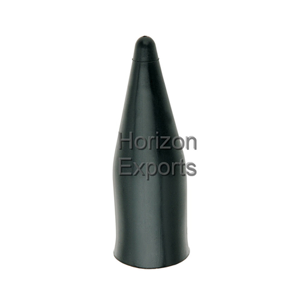
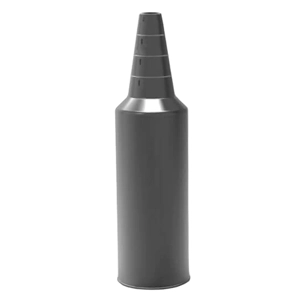
A gland shroud (also known as a cable gland shroud or sealing shroud) is a flexible protective sleeve installed over the cable gland to enhance IP rating, improve environmental resistance, and prevent dust, chemicals, oils, and moisture from entering the cable termination point.
In UAE conditions—where sandstorms, humidity, and intense UV exposure are common—gland shrouds play a critical role in extending cable life. According to GCC electrical equipment market reports, over 68% of outdoor cable failures originate from poor sealing and inadequate protection. A gland shroud provides the final protective layer that prevents these weak points.
A high-quality gland shroud is essential when dealing with:
The right shroud ensures compliance with IEC, ATEX, and IP66/IP68-rated applications, making it indispensable for UAE engineers who require maximum reliability.
UAE industries use a variety of gland shrouds depending on environmental conditions, cable types, and safety requirements. Each type is designed for specific applications across MEP, industrial automation, marine, and construction sectors.
Widely used due to flexibility and affordability. Ideal for:
Designed for heavy-duty sealing with superior elasticity. Common in:
Preferred for:
Used in specialized environments requiring:
Each material behaves differently under UAE climatic conditions. Choosing the right one minimizes downtime, increases electrical safety, and helps maintain long-term equipment performance.
The UAE is classified among the world's most aggressive climates for electrical components. Reports from MEP industry studies and UAE environmental data highlight the following challenges:
A gland shroud addresses these risks by providing:
Case studies from UAE engineering teams show that using the correct shroud can reduce cable gland replacement frequency by up to 35%, saving both labor and maintenance budgets.
Selecting between PVC and rubber gland shrouds depends entirely on the environment and performance expectations.
Recommendation: For UAE outdoor environments, rubber shrouds consistently outperform PVC due to their ability to remain flexible under extreme temperatures and direct sunlight.
Oil and gas environments demand shrouds that withstand:
Preferred materials include:
These materials maintain seal integrity even under rapid temperature fluctuations—a common issue in refineries. A survey published in international industrial safety reports found that 75% of electrical failures in hazardous areas originate from compromised cable glands, making the correct shroud selection essential for operational safety.
Incorrect sizing leads to loss of sealing performance, cable damage, and failed inspections. UAE project engineers often face challenges matching shrouds with metric, PG, and NPT cable glands.
A typical compatibility sequence looks like this:
| Cable Gland Size | Shroud Size | Compatible Gland Types |
|---|---|---|
| M16 / PG7 | Small | Brass, SS, PVC glands |
| M20 / PG9 | Small-Medium | Armoured & non-armoured |
| M25 / PG11 / PG13.5 | Medium | Industrial cable glands |
| M32 / PG16 | Large | Outdoor enclosures |
| M40–M50 | Extra Large | Oil & gas, heavy-duty units |
Always match the shroud's internal diameter with the gland's outer dimension for a secure fit.
Low-quality PVC shrouds harden and crack within months under UAE sun exposure.
Choosing the wrong material leads to melting or deformation in extreme temperature zones.
Oil, gasoline, solvents, and marine saltwater degrade standard shrouds quickly.
Metric, PG, and NPT sizes vary—wrong selection reduces sealing effectiveness.
Large-scale projects require continuous, uninterrupted stock availability. Our supply chain ensures consistent availability for all major sizes, materials, and industrial standards.
Use these technical decision factors:
Correct selection ensures the installation meets MEP, ADNOC, DEWA, SEWA, ENEC, and international electrical standards.
A reliable supplier ensures:
Our supply network supports:
Every product is sourced from vetted manufacturers adhering to strict quality parameters.
In 2023, a major MEP contractor working on a large mixed-use development in Dubai South faced an unexpected disaster. During the final inspection phase, DEWA inspectors rejected nearly 1,800 outdoor panel terminations due to cracks and UV degradation around cable gland entry points.
The cause? The project used low-grade PVC glands without protective shrouds. Replacing the affected components delayed the project by 11 days, cost over AED 280,000 in labor and materials, and jeopardized the contractor's relationship with the developer.
"If we had installed proper rubber gland shrouds, the problem would not have existed."
Since then, the company has made gland shrouds mandatory on all outdoor and rooftop installations.
If you are a distributor or electrical trader, you have likely heard this scenario: a customer buys cable glands for a project. A few months later, they return complaining that their outdoor terminations deteriorated due to sand, salt-air exposure, or UV cracks. They often believe the gland was faulty. But in most cases, the gland was correct—the missing element was the protective shroud.
This is why UAE electrical distributors often include gland shrouds in every quotation for:
Because experienced distributors know that selling a gland without a shroud is like selling a car without insurance — sooner or later, the customer will face a problem.
PVC hardens within months. Rubber lasts longer but still needs protection.
Dust and moisture seep into the gland entry.
IP66 becomes IP54 or lower, meaning sand and humidity intrusion is no longer prevented.
Salt, pollutants, and fine dust attack exposed metal parts.
This is where expensive downtime begins.
Across UAE industrial environments, maintenance managers report that 1 out of every 3 outdoor termination failures traces back to insufficient cable protection—not cable faults. This is why ATEX and IEC guidelines strongly recommend protective shrouds for hazardous and outdoor zones.
Protect your cables from heat, moisture, and environmental stress with industry-trusted gland shrouds. Get in touch now to secure the right materials, verify compatibility, and receive a detailed quotation for your upcoming UAE projects.
A gland shroud protects cable glands from dust, moisture, UV exposure, sand, chemical splash, and extreme heat—conditions commonly found in the UAE. It improves the lifespan of cable terminations and ensures compliance with project specifications, especially in outdoor or industrial environments.
For general construction and MEP projects, PVC shrouds are widely used. For high-temperature zones, oil & gas plants, and chemical environments, neoprene or rubber shrouds offer superior resistance. UAE consultants often prefer rubber shrouds for harsh outdoor conditions due to better UV and heat durability.
Not all cable glands require them, but they are recommended for installations exposed to dust, sandstorms, water, chemicals, or outdoor environments. Many UAE authorities—such as ADNOC, DEWA, SEWA, and ENOC—specify or recommend shrouds to enhance cable sealing and extend system life.
Gland shrouds are sized based on the thread size of the cable gland (M20, M25, M32, M40, etc.) and the outer diameter of the cable. A compatibility chart from your UAE supplier can help ensure the correct fit for BW, CW, A2, and E1W gland types.
Yes. UAE suppliers provide bulk-order options for contractors, MEP companies, distributors, and industrial procurement teams. Bulk purchases usually include mixed sizes, material options, special pricing, and delivery scheduling for large projects.
Most reputable UAE suppliers offer same-day or next-day delivery in Dubai, Sharjah, and Ajman, with fast logistics support for Abu Dhabi and Northern Emirates. Large projects can also request scheduled deliveries to match installation timelines.
Contact verified gland shroud suppliers in Dubai for PVC, rubber, EPDM, and silicone cable gland protection solutions tailored to UAE MEP, industrial, oil & gas, and marine conditions.
All gland shroud products meet UAE safety regulations and international standards including IEC, ATEX, and IP66/IP68 ratings for durability, UV resistance, and environmental protection.

 0
0