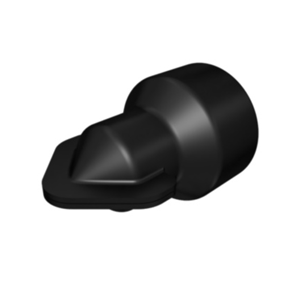

UAE-Based Providers of Evacuation Valves Evacuation valves for safe and effective fluid and gas distribution systems are available from UAE suppliers. Because they enable the automatic drainage of condensate from air filters, refrigerated air dryers, and air receiver tanks, these pneumatic system components are essential for compressed air preparation. They guarantee the removal of impurities and moisture, safeguarding downstream equipment, and enhance system performance. They are made of robust materials, such as brass and stainless-steel valves, to endure demanding industrial settings. They are crucial for industrial automation applications in the manufacturing, food and beverage, and oil and gas industries.
For large industrial projects throughout UAE, services include bulk supply, on-site troubleshooting, preventative maintenance plans, and expert assistance with valve selection and sizing.
Note: Order volume, material of construction (brass, stainless steel), connection size (1/4" to 1"), pressure rating, and valve type (solenoid, piston, timer) all affect price.
"Evacuation Valve" is a broad term used in the UAE market to describe two very different critical components. To ensure you select the correct part, it is essential to distinguish between Condensate Evacuation Valves (for Compressed Air) and Dust Evacuation Valves (for Engines/Machinery).
Best for: Manufacturing plants, Workshops, and Industrial Compressed Air Systems.
These valves are the guardians of your pneumatic equipment. They automatically evacuate liquid water (condensate) and oil from air receivers, dryers, and filters without depressurizing the system.
Electronic Timer Drains: The most common and cost-effective solution. These use a solenoid valve and a simple timer to open for X seconds every Y minutes.
Pros: Reliable, easy to install, affordable (AED 150 - 450 range).
Cons: Opens even if no water is present, causing some compressed air loss.
Zero Air Loss (Level-Sensing) Drains: These intelligent valves use a capacitive sensor to detect when the reservoir is full. They open only long enough to drain the water and close before any compressed air escapes.
Pros: Saves thousands of Dirhams in energy costs annually; ideal for large compressors.
Cons: Higher initial investment (AED 600+).
Float Operated Drains: A mechanical solution where a rising water level lifts a float to open the drain.
Pros: No electricity required; ideal for hazardous zones (flame-proof areas).
Best for: Heavy Earthmoving Equipment, Generators, and Trucks (CAT, Komatsu, JCB).
Often referred to as "Duckbill valves" or "Vacuator valves," these are rubber components found on the pre-cleaner assembly of engine air filters.
How They Work: As the engine runs, centrifugal force spins dust out of the incoming air. This dust collects in the valve. The pulsing vacuum of the engine opens and closes the rubber lips, automatically "spitting" the dust out.
Why Replace Them: Over time, the rubber hardens and cracks in the UAE heat. If the valve stays open, it sucks moisture and dirt into the filter. If it stays sealed, the filter clogs rapidly.
Common Part: The CAT 415-2594 listed above is a prime example of this type, designed for specific CAT engine air cleaners.
To guarantee proper use, evacuation valves, also known as automatic drain valves, are defined by several crucial technical parameters:
Before contacting a supplier in Dubai or Abu Dhabi, check these specifications to get an accurate quote:
| Specification | For Compressed Air Drains | For Engine Dust Valves |
|---|---|---|
| System Pressure | Standard is 16 Bar. High-pressure systems (PET blowing) need 40 Bar+ ratings. | N/A (Vacuum operated) |
| Voltage | 230V AC is standard. 24V DC or 110V AC are often available upon request. | N/A (Mechanical/Rubber) |
| Connection Size | ½" BSP is the industry standard. Smaller filters may use ¼" or ⅜". | Check the "Duckbill" width (e.g., 2.9 inches). |
| Material | Brass or Stainless Steel (for corrosive condensate). | High-grade Rubber or Silicone. |
Condensate that builds in dryers, filters, and air receiver tanks is automatically drained via an evacuation valve. This ensures system longevity and efficiency by preventing contamination, corrosion, and water carryover in downstream pneumatic equipment.
A zero-air loss drain valve opens and closes the drain port using the pressure of the compressed air system. It accumulates condensate in a reservoir and, when full, utilizes a modest pilot signal to release the liquid without expending large amounts of compressed air, leading to energy savings.
Contaminants such as sludge or dirt might clog the valve mechanism, preventing it from closing. Insufficient operating pressure, a faulty solenoid coil, or a worn seal can also be the cause. It is advised that the valve and upstream air filter receive routine preventive maintenance and cleaning.
Usually used in conjunction with an electronic timer, a solenoid-controlled valve opens and closes using an electromagnetic coil. Heavy-duty industrial applications can benefit from the high flow capacity and dependability of a piston type evacuation valve, which is mechanically actuated by system pressure.
The operational environment and air quality have an impact on the maintenance schedule. For systems with dry, pure air, a semi-annual inspection can be adequate. To guarantee dependable condensate drainage and avoid failure in tough or high-moisture environments, a quarterly inspection and cleaning are recommended.
Yes, but the condensate will contain oil. Ensure you route the discharge to an oil-water separator before it enters the sewage system to comply with UAE environmental regulations.
This usually happens if the rubber valve is inverted (sucked in) due to high vacuum restrictions or if the rubber has aged and cracked. It requires immediate replacement.
Most suppliers offer coil replacement kits and diaphragm repair kits. However, for smaller valves (under AED 200), it is often more economical to replace the entire unit.

 0
0