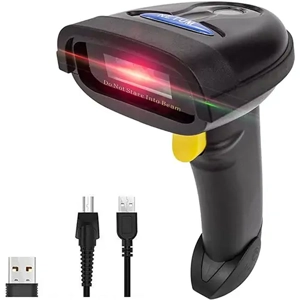

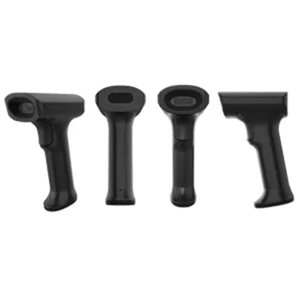

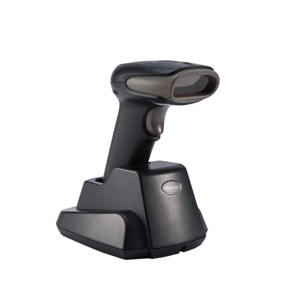
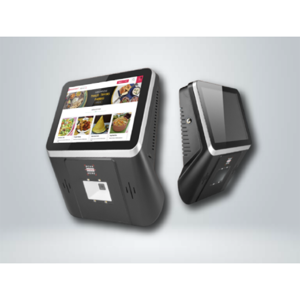
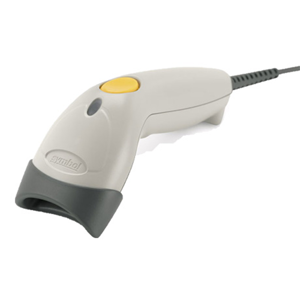

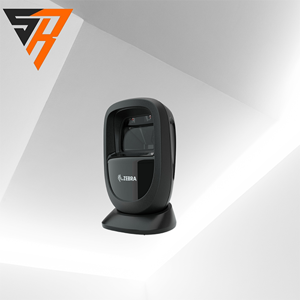

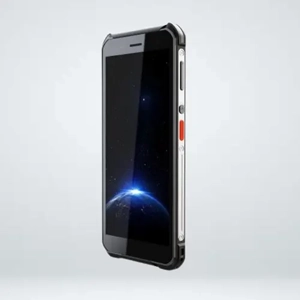

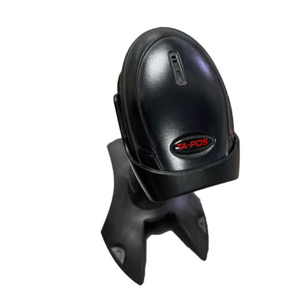

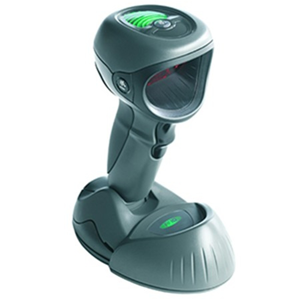

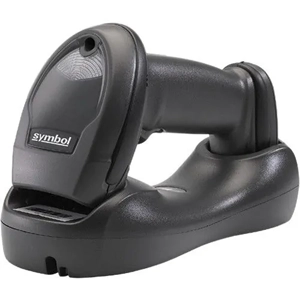
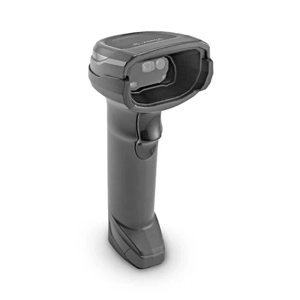
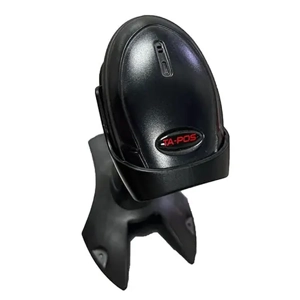

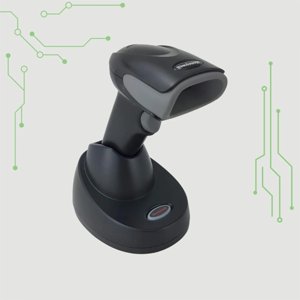

Checkout counters in Riyadh supermarkets, receiving docks in Jeddah distribution centres, and dispensing counters in Dammam pharmacies each place a different demand on a barcode scanner, yet all three depend on the same underlying decode engine to keep billing accurate and inventory current. Whether the requirement is a handheld barcode scanner for a single retail till, a wireless model for warehouse cycle counts, or an industrial reader built for round-the-clock production lines, FYIND connects businesses with verified barcode reader equipment suppliers across Riyadh, Jeddah, Dammam and other major commercial cities in KSA.
This directory brings together trusted barcode scanner suppliers in Saudi Arabia, covering handheld, presentation, wireless Bluetooth and industrial barcode scanners from leading brands including Zebra, Honeywell, Datalogic, Adler, Symbol and more. Scan-engine type, software compatibility, industry application, price bracket and supplier capability are the variables that typically separate a good fit from a poor one, and reviewing them side by side before requesting a quotation is what shortens the path from enquiry to installed equipment.
Handheld, wireless, presentation and industrial configurations make up the bulk of the barcode reader equipment moving through KSA today, sourced from manufacturers such as Zebra, Honeywell, Datalogic, Adler and Symbol and deployed everywhere from single-till retail counters to fully automated manufacturing and warehouse lines.
Every business has different scanning requirements. A pharmacy processing prescription labels requires a different scanner than a warehouse receiving pallet shipments, while supermarkets often need omnidirectional scanners capable of reading hundreds of products every hour without slowing customer checkout.
Selecting a barcode scanner supplier in Saudi Arabia usually comes down to weighing the following against each other:
Connectivity, scan-engine technology and build quality are what move a unit from one price bracket to the next.
Retail businesses depend on fast and accurate barcode scanning to reduce checkout times, minimise pricing errors and maintain real-time inventory records. From small convenience stores to supermarkets with multiple billing counters, the right barcode scanner machine for shops should integrate seamlessly with existing POS software while providing reliable scanning of both traditional barcodes and digital QR codes.
A retail purchase in this category typically comes down to scanner type, decoding speed, software compatibility, connectivity and the after-sales support the supplier can offer once the unit is in daily use.
Although these businesses all use barcode scanners for billing, their scanning requirements differ considerably based on product type, customer traffic and inventory management processes.
Grocery stores generally require scanners capable of reading damaged product labels quickly during busy checkout periods.
Pharmacy counters lean toward higher-resolution engines, since small medicine labels and the QR codes printed on pharmaceutical packaging leave little margin for a weak decode.
Convenience stores, on the other hand, tend to settle on an affordable USB barcode scanner that installs without additional configuration against common POS software.
A retail purchase in this segment is usually weighed against:
Suppliers worth shortlisting for retail barcode scanners include:
Selecting between a 1D barcode scanner and a 2D barcode scanner depends on the types of codes your business processes. Retail stores primarily scanning product labels may find 1D scanners sufficient, while businesses accepting QR-code payments or digital coupons generally benefit from 2D imaging technology.
1D Barcode Scanners are commonly used for:
2D Barcode Scanners support:
Popular products include:
As digital payments become more common across Saudi Arabia, retailers increasingly require scanners capable of reading QR codes displayed on smartphones as well as traditional printed labels.
QR code scanner machines see regular use in:
A QR code scanner selection generally rests on:
Supermarkets, hypermarkets and retail chains processing continuous customer traffic often prefer automatic barcode scanner machines that reduce cashier effort and improve transaction speed. Presentation scanners automatically detect products placed within the scanning area, allowing faster checkout without repeatedly pressing a trigger.
A checkout-system upgrade is normally evaluated against:
Presentation barcode scanners improve checkout efficiency by allowing products to be scanned from multiple angles without manually positioning each item.
They are commonly recommended for:
Popular presentation scanners include:
Recommended suppliers:
Businesses operating multiple checkout counters require barcode scanners capable of maintaining consistent performance throughout long working hours. High-speed scanners reduce waiting times, improve cashier productivity and minimise rescanning caused by damaged or poorly printed labels.
A high-speed barcode reader is typically judged on:
For businesses requiring dependable barcode scanning across retail, warehouse and commercial environments, suppliers such as Al Lowzat Trading Company (+966 57 103 9882), Adler Arabia (+966 59 596 0101) and Finloyd (+966 11 472 3521) offer a range of handheld, wireless and industrial barcode scanner solutions suitable for different operational requirements.
Warehouse operations, logistics companies and distribution centres depend on wireless barcode scanners to maintain accurate inventory records while allowing operators to move freely throughout storage areas. Unlike fixed checkout counters, warehouse staff frequently scan products on pallets, high storage racks and loading docks where mobility matters more than desk-based operation. Bluetooth range, battery life, scan performance, durability and WMS compatibility are the specifications that separate a warehouse-grade unit from a repurposed retail scanner.
Wireless barcode scanners help businesses improve inventory accuracy, reduce manual data entry and speed up receiving, picking and dispatch operations. Whether managing a small warehouse or a multi-location distribution centre, selecting the right scanner improves productivity while minimising stock discrepancies.
Warehouse inventory teams often spend entire shifts moving between shelving systems, loading bays and storage locations. Bluetooth barcode scanners eliminate cable restrictions and allow operators to scan products directly at their storage location instead of repeatedly returning to a workstation.
A Bluetooth barcode scanner purchase generally weighs:
Wireless barcode scanners are commonly used for:
Recommended products include:
Recommended FYIND suppliers:
Distribution centres processing thousands of cartons daily need barcode scanners capable of holding a stable wireless link across large storage footprints. A long-range Bluetooth model cuts unnecessary walking, speeds up picking, and lets staff complete scans directly from forklifts or picking trolleys instead of returning to a fixed terminal.
A long-range scanner purchase is usually weighed against:
Typical applications include:
Periodic inventory audits require scanners that are lightweight, easy to carry and capable of capturing thousands of barcode records accurately throughout the working day. Portable barcode readers help maintenance teams, finance departments and warehouse staff verify stock levels while reducing manual recording errors.
Portable barcode readers see regular use for:
Before requesting a quotation, buyers typically ask:
Manufacturing plants require barcode scanners capable of operating continuously in environments exposed to dust, vibration and repetitive daily scanning. Production managers generally prioritise durability, scanning accuracy and compatibility with manufacturing execution systems (MES) rather than simply comparing scanner prices.
Industrial barcode scanners are commonly deployed for:
Recommended suppliers include:
Manufacturing facilities, construction material suppliers and industrial warehouses often require rugged barcode scanners designed to withstand harsh working environments. Compared with standard retail scanners, industrial models offer improved resistance to accidental drops, dust exposure and continuous operation throughout long production shifts. Facilities running two-shift picking operations should look for units rated for 10–14 hours of continuous use, while lines exposed to airborne particulate benefit from IP65/IP67 sealing paired with 1.8–2.4 metre drop tolerance.
Industrial buyers generally compare:
Common industries include:
Large manufacturing facilities frequently process thousands of products each day, making barcode readers with reliable batch scanning capabilities essential for maintaining production efficiency. High-volume barcode readers help reduce manual recording errors while improving traceability across receiving, production and dispatch operations.
Batch scanning solutions are commonly selected for:
Popular barcode reader models include:
Healthcare providers, hotels, restaurants, pharmacies and commercial businesses increasingly rely on QR code scanners and barcode reader equipment to improve operational efficiency, minimise manual errors and support digital workflows. Scanning performance, software compatibility, mobile-screen readability and industry-specific fit are the criteria that tend to decide a purchase in this category.
Modern 2D barcode scanners support traditional barcodes alongside QR codes, making them suitable for healthcare records, restaurant ordering systems, digital payments and commercial inventory management.
Hospitals and healthcare facilities require barcode scanners capable of accurately reading medicine labels, patient identification wristbands and laboratory samples. Reliability, scanning precision and compatibility with hospital information systems become more important than scanning speed alone.
Healthcare organisations typically compare:
Recommended suppliers:
Barcode scanners improve patient safety by reducing identification errors and helping healthcare providers verify medicines before administration. Hospitals commonly use barcode readers to support patient wristband verification, prescription dispensing and laboratory sample identification.
Common healthcare applications include:
Medical inventory systems increasingly rely on QR codes to improve traceability, monitor expiry dates and maintain accurate stock records. QR code scanners simplify inventory audits while supporting faster product identification throughout hospitals and pharmacies.
Buyers usually compare:
Restaurants, cafés and hotels commonly use QR code scanners to support digital menus, contactless payments, loyalty programmes and inventory management. Hospitality businesses generally prioritise fast scanning, easy integration with POS systems and compact scanner designs suitable for limited counter space.
Typical applications include:
Recommended suppliers:
Digital menus and QR-code payments have become standard across many restaurants and cafés. Businesses implementing contactless ordering generally select 2D barcode scanners capable of reading mobile screens quickly without requiring customers to adjust brightness or screen angles.
Buyers typically compare:
Kitchen inventory depends on accurate barcode scanning to monitor ingredient usage, receive supplier deliveries and reduce stock shortages. Barcode readers help restaurants maintain better inventory visibility while improving ordering accuracy and reducing food waste.
Hospitality businesses commonly use barcode readers for:
For hospitality and commercial barcode solutions, buyers can compare products available from City Systems Trading EST. (+966 920 00 2087), Brightway (+966 11 464 1828) and Expert Tech (+966 11 249 6360) before requesting quotations through FYIND.
Selecting the right barcode scanner machine is less about choosing the most expensive model and more about matching the scanner to your daily business operations. A supermarket processing thousands of customer transactions each day has different scanning requirements from a warehouse managing pallet movements or a pharmacy dispensing prescription medicines. Connectivity, barcode compatibility, scanning speed, software integration and long-term reliability are the variables worth lining up before a quotation request goes out.
Whether you're planning to buy barcode scanners in Saudi Arabia for a retail store, warehouse, healthcare facility or manufacturing plant, understanding your operational requirements helps reduce unnecessary costs while improving productivity. Most barcode reader equipment suppliers in KSA offer handheld, wired, wireless and industrial barcode scanners designed for specific business environments.
Before purchasing a barcode scanner machine for shops, supermarkets or industrial applications, it helps to evaluate:
One of the first decisions buyers make is whether a wired barcode scanner or a wireless barcode scanner machine better suits their operation. While both perform the same scanning function, their suitability depends on employee movement, workspace layout and the type of products being scanned throughout the day.
Retail counters where the scanner remains in one position generally benefit from wired models, while warehouses, logistics companies and inventory teams usually prefer Bluetooth barcode scanners that allow operators to move freely around storage areas without cable restrictions.
Deciding between wired and wireless usually involves weighing:
Retail shops, pharmacies, supermarkets and convenience stores usually perform barcode scanning from a fixed checkout location where the cashier remains behind the counter throughout the day. In these environments, USB barcode scanners and automatic barcode scanner machines provide reliable performance without requiring battery charging or wireless connectivity.
A fixed barcode scanner reduces installation costs while providing stable communication with POS software, making it a popular choice for businesses processing continuous customer transactions.
Wired barcode scanners are commonly recommended for:
The comparison generally comes down to:
Popular barcode scanner models for fixed checkout counters:
Recommended FYIND Suppliers
Before Requesting a Quotation, ask your supplier:
Businesses where employees frequently move between shelves, storage racks or loading areas generally benefit from wireless barcode reader equipment. Bluetooth barcode scanners reduce unnecessary walking, improve inventory accuracy and allow operators to scan products directly where they are stored instead of returning to a fixed workstation.
Wireless barcode scanners are particularly useful for businesses managing inventory across multiple storage locations or handling large product volumes throughout the day.
Wireless barcode scanners are widely used in:
The comparison against a wired unit generally covers:
Recommended Wireless Scanner Models
Recommended FYIND Suppliers
Another important purchasing decision is choosing between a 1D barcode scanner and a 2D barcode scanner. While traditional retail businesses may only scan printed product barcodes, many organisations now process QR codes, digital payment applications, electronic tickets and mobile loyalty programmes that require 2D imaging technology.
Rather than selecting a scanner based solely on price, businesses should first identify the barcode formats they expect to scan over the coming years. Choosing the right scanner from the beginning helps avoid unnecessary equipment replacement as business requirements evolve.
Different industries rely on different barcode formats depending on how products, inventory and customer information are managed. Selecting the appropriate scanner improves workflow efficiency while reducing scanning errors.
1D Barcode Scanners are commonly used for:
2D Barcode Scanners support:
A typical industry-to-scanner fit looks like this:
Popular Products
Today's businesses rarely scan printed product labels alone. Many retailers, restaurants, healthcare providers and service centres also process mobile payment QR codes, digital membership cards, e-tickets and promotional coupons. Choosing a 2D barcode reader ensures compatibility with both traditional printed barcodes and modern digital scanning applications.
Shoppers comparing options online for the best available pricing generally look for one scanner that handles multiple barcode formats reliably rather than running separate devices side by side.
Barcode readers are commonly used for scanning:
Important Buying Considerations
Recommended Suppliers
Selecting the right barcode scanner brand is often more important than choosing the scanner type alone. While most barcode scanners can read standard 1D barcodes, differences in scan engine quality, decoding speed, ruggedness, software compatibility and after-sales support become noticeable in businesses processing thousands of scans every day. Retail chains, warehouses, logistics providers and healthcare facilities generally standardise on one manufacturer to simplify maintenance, spare parts and staff training.
Long product lifecycles, dependable firmware support and compatibility with POS, ERP and warehouse management systems are what tend to separate an established brand from a lesser-known one in KSA.
Each manufacturer focuses on different industries and operating environments. Rather than selecting a scanner based only on purchase price, procurement teams evaluate reliability, decode speed, warranty support and long-term availability before finalising a supplier.
Recommended FYIND Suppliers for Leading Barcode Scanner Brands
Selecting a barcode scanner machine should be based on operating conditions rather than specifications alone. A retail checkout scanner operating in an air-conditioned supermarket has very different requirements from a warehouse scanner exposed to dust, frequent drops and continuous daily use.
| Scanning Performance | 1D barcode reading, 2D QR code reading, mobile screen scanning, damaged barcode recognition, small label readability |
| Connectivity | USB barcode scanner, Bluetooth barcode scanner, wireless barcode reader, charging cradle support |
| Physical Durability | Drop resistance, scratch-resistant scan window, dust-resistant housing, long trigger life, continuous operation |
| Operational Performance | Decode speed, scan angle, reading distance, trigger response, battery runtime |
Recommended Scanner by Business Type
| Retail Shop | Zebra DS2200, Adler BR301 |
| Warehouse | Honeywell 1472G, Zebra DS8100 |
| Supermarket | Zebra DS9308, Datalogic QuickScan |
| Healthcare | Honeywell Bluetooth Scanner, Zebra DS8100 |
Procurement Advice — before requesting quotations, compare:
Many buyers assume that all barcode scanners deliver similar performance. In reality, the best brand depends on the environment in which the scanner will operate.
Choosing the right barcode scanner machine with software compatibility is just as important as selecting the hardware itself. Most businesses already operate POS software, ERP platforms or inventory management applications, so verifying integration before placing an order avoids costly rework later.
Modern barcode reader equipment in KSA supports Windows, Android and cloud-based retail systems without requiring complex software development. Many handheld and wireless scanners operate in keyboard emulation mode, allowing them to work with existing applications immediately after connection.
| Retail | POS Software, Billing Software, Price Checker Systems |
| Warehouse | Warehouse Management Systems (WMS), Inventory Management Software, Asset Tracking Platforms |
| Healthcare | Hospital Information Systems, Pharmacy Management Software, Laboratory Information Systems |
| Manufacturing | ERP Platforms, Production Tracking Systems, Quality Inspection Software |
Today's businesses rarely purchase scanners for standalone use. Instead, barcode readers are expected to integrate seamlessly with existing operating systems, mobile devices and cloud-based applications used across retail, logistics and healthcare environments.
Buyers commonly verify:
Recommended Products
Recommended FYIND Suppliers
Successful barcode implementation depends on more than scanner hardware. Integration with existing business systems determines how efficiently product information, inventory movements and customer transactions are processed.
| Retail Operations | POS software, billing applications, price checker terminals, customer loyalty systems |
| Warehouse Operations | Warehouse Management Systems, Inventory Scanner platforms, Asset Tracking Scanner applications |
| Manufacturing | ERP software, production monitoring, barcode verification systems |
| Healthcare | Patient management, pharmacy inventory, laboratory sample tracking |
Before Finalising Your Purchase, discuss these points with your supplier:
Recommended Suppliers for Integration & Deployment
The price of a barcode scanner machine in Saudi Arabia varies according to scanning capability, communication technology and intended application. Entry-level USB scanners are suitable for retail billing, while industrial barcode readers are designed for continuous warehouse and manufacturing operations where reliability is more important than initial purchase cost.
Typical Barcode Scanner Price Range in Saudi Arabia
Rather than selecting the lowest-priced scanner, it pays to look at the total operating cost across the equipment's working life, including battery replacement, charging accessories, firmware updates and local technical support.
Small businesses often prioritise affordability, easy installation and compatibility with existing billing software. Entry-level scanners are commonly selected by businesses that process moderate transaction volumes without requiring industrial durability.
Recommended for:
Typical buying priorities
Popular entry-level models
Recommended suppliers
Industrial businesses typically evaluate total cost of ownership rather than simply comparing scanner prices. A barcode reader operating across multiple warehouse shifts or manufacturing lines must withstand repeated drops, dust exposure and continuous scanning without affecting operational efficiency.
Industrial buyers usually compare
Industries commonly investing in industrial barcode scanners
Recommended industrial scanner models
Recommended suppliers
Price is only one part of the procurement process. Operational performance, after-sales support and future expansion capability generally carry as much weight as the unit price before a quotation gets requested.
Procurement Checklist
Different applications require different scanning capabilities. Choosing specifications based on actual business requirements helps avoid unnecessary upgrades while ensuring reliable day-to-day performance.
| Scanning Distance | Close-range checkout scanning, shelf-level inventory scanning, long-range warehouse scanning |
| Battery Performance | Standard office operation, full warehouse shift, replaceable batteries, charging time |
| Connectivity Options | USB barcode scanner, Bluetooth barcode scanner, wireless barcode reader, charging cradle communication |
| Warranty & Support | Standard manufacturer warranty, technical support availability, firmware updates, local repair services |
Many procurement teams focus on scanner hardware while overlooking accessories that improve long-term usability and reduce downtime.
Accessories commonly requested together
Before placing an order
Purchasing a barcode scanner is only the beginning of a long-term automation investment. Businesses operating multiple scanners across retail stores, warehouses or manufacturing facilities usually establish maintenance plans, purchase spare accessories and ensure software compatibility before expanding their scanning infrastructure.
Reliable after-sales support reduces unexpected downtime while helping businesses maximise the life of their barcode scanning equipment.
Wireless barcode scanners depend on reliable charging infrastructure to support continuous operation. Fleets running multiple units across a facility typically get ordered alongside a matching set of charging cradles and spare batteries so a single depleted unit never interrupts a shift.
Commonly purchased accessories
Recommended suppliers
Businesses expanding their barcode infrastructure frequently order additional accessories to improve usability and simplify device management.
Most frequently purchased accessories
These accessories help reduce downtime while extending equipment life across demanding commercial environments.
Routine maintenance helps maintain scanning accuracy while reducing repair costs over the lifetime of the equipment.
Good maintenance practices
Successful barcode implementation depends on software integration as much as hardware selection. Large deployments generally get vetted against existing POS, ERP and inventory systems before additional scanners are purchased.
Most modern barcode scanner machines with software support standard keyboard emulation and USB communication, allowing straightforward integration with common retail and warehouse platforms.
Common business systems
Before deployment, verify that the scanner supports your operating system and business application.
A successful barcode deployment involves more than simply connecting the scanner. Businesses with multiple checkout counters or warehouse teams often require configuration, user training and technical guidance to ensure consistent operation across all locations.
Implementation services buyers commonly request
FYIND suppliers such as City Systems Trading EST. (+966 920 00 2087), Adler Arabia (+966 59 596 0101), and Expert Tech (+966 11 249 6360) provide barcode scanner equipment, integration support and technical consultation for retail, warehouse and industrial automation projects across Saudi Arabia.
After identifying the right barcode scanner machine, the final step is choosing a supplier that can provide the required products, technical guidance and after-sales support. Instead of contacting multiple vendors individually, FYIND helps procurement teams compare verified barcode reader equipment suppliers in KSA from a single platform, making it easier to evaluate available products, delivery options and supplier capabilities before requesting quotations.
Whether you're planning a single retail POS installation or sourcing hundreds of scanners for warehouse and logistics operations, FYIND connects buyers with suppliers offering handheld barcode scanners, wireless barcode scanners, industrial barcode readers, QR code scanner machines and complete barcode scanning solutions across Saudi Arabia.
Finding the right supplier is often just as important as selecting the scanner itself. Supplier experience, product availability, response time and technical support are usually the deciding factors once a shortlist of scanners has already been narrowed down.
Why procurement teams use FYIND
Leading Barcode Scanner Suppliers Available on FYIND
| Supplier | Location | Contact |
| Al Lowzat Trading Company | Riyadh | +966 57 103 9882 |
| City Systems Trading EST. | Riyadh | +966 920 00 2087 |
| Adler Arabia | Riyadh | +966 59 596 0101 |
| Expert Tech | Riyadh | +966 11 249 6360 |
| Maharah Digital Trading Company | Riyadh | +966 11 216 2777 |
| Pioneer Way | Riyadh | +966 92 001 3559 |
| Finloyd | Riyadh | +966 11 472 3521 |
| Brightway | Riyadh | +966 11 464 1828 |
Many businesses require barcode scanners within tight project schedules, particularly when opening new retail stores, upgrading warehouse operations or replacing failed equipment. Working with suppliers that maintain local stock can significantly reduce procurement lead times.
FYIND helps buyers identify suppliers capable of supporting projects across:
Businesses commonly request
Selecting barcode reader equipment involves more than choosing a model number. Businesses frequently request technical guidance before placing an order to ensure compatibility with existing software, operational requirements and future expansion plans.
FYIND suppliers can assist with:
Different industries rely on barcode scanners in different ways. Rather than recommending a single product for every application, FYIND helps businesses compare solutions based on operational requirements and industry-specific workflows.
Choosing the right scanner becomes easier when selection is based on how the equipment will actually be used.
| Retail checkout | Handheld or Presentation Scanner |
| Supermarket billing | Omni-Directional Barcode Scanner |
| Warehouse inventory | Bluetooth Wireless Barcode Scanner |
| Manufacturing | Industrial Barcode Scanner |
| Healthcare | High-resolution 2D Barcode Scanner |
| Restaurants | QR Code Scanner Machine |
| Asset Management | Mobile Computer Scanner |
Rather than selecting the first available supplier, it pays to weigh several suppliers against each other before a purchase gets approved.
Compare suppliers based on
Comparing multiple suppliers helps businesses identify solutions that best match their operational requirements while ensuring long-term support after installation.
The following questions are commonly asked by businesses planning to purchase barcode scanner machines, barcode reader equipment and QR code scanner machines in Saudi Arabia.
Most retail shops prefer compact 1D or 2D handheld barcode scanners that integrate easily with POS software and support fast billing. Businesses accepting digital payments or loyalty programmes generally benefit from 2D barcode scanners capable of reading both printed barcodes and QR codes.
A wired barcode scanner is usually sufficient for fixed checkout counters where employees remain at one workstation throughout the day.
A wireless barcode scanner machine is better suited to warehouses, logistics companies, inventory audits and asset tracking where staff move between storage locations while scanning products.
Any 2D barcode scanner or QR code scanner machine can read QR codes in addition to traditional 1D product barcodes. Popular options include:
Verified FYIND suppliers offer products from leading manufacturers, including:
Availability may vary depending on supplier inventory and project requirements.
Yes. Most modern barcode scanners support USB plug-and-play, keyboard emulation and Bluetooth connectivity, allowing straightforward integration with POS systems, ERP software, warehouse management systems and inventory management applications. Buyers should always confirm software compatibility before placing bulk orders.
Yes. Many suppliers listed on FYIND provide services beyond product supply, including:
Support levels may vary by supplier and project scope.
A barcode scanner captures information encoded in 1D barcodes or 2D QR codes using an optical scan engine. The scanned data is converted into digital information and transmitted to a connected POS system, inventory application or ERP platform, reducing manual data entry and improving operational accuracy.
Yes.
1D Barcode Scanners
2D Barcode Scanners
Most barcode scanner machines with software compatibility support integration with:
Before purchasing, confirm the required operating system, communication interface (USB, Bluetooth or wireless) and software compatibility with your chosen supplier.

 0
0