
 0
0 
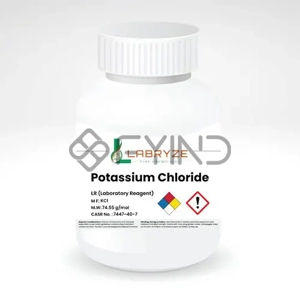
Potassium salts are essential materials used across multiple industries in Saudi Arabia. From farming and food production to industrial manufacturing and healthcare, these potassium based chemicals play a critical role in everyday operations.
Among all potassium compounds, potassium chloride is the most widely used. Whether in the form of potassium chloride powder or potassium chloride granules, it serves as a key raw material for agriculture, water treatment, and industrial applications.
For businesses looking for potassium salts suppliers in Saudi Arabia or reliable potassium chloride suppliers in Saudi Arabia, understanding the product and its applications is important before making a purchase.
What Is Potassium Chloride?
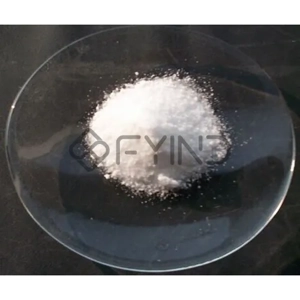
Potassium chloride is one of the most common inorganic potassium salts. It appears as a white crystalline substance and is highly soluble in water.
It belongs to a broader category of potassium mineral salts and is widely used due to its ability to provide potassium efficiently across applications.
Why It Matters
- Supports plant growth (fertilizers)
- Maintains electrolyte balance (medical use)
- Used in food as a sodium alternative
- Acts as a base for many potassium chemicals
A commercial greenhouse uses potassium fertilizer salts like KCl in irrigation systems, while a food processing unit uses food grade potassium chloride to reduce sodium in packaged products.
Types of Potassium Chloride Available
Different industries use different grades of chemical salts potassium, depending on purity and form.
Industrial Potassium Chloride
Used in manufacturing, drilling fluids, and chemical production
Agricultural Potassium Salts
Used as fertilizers (MOP) for crops and hydroponics
Food Grade Potassium Chloride
Used in food processing as a low-sodium ingredient
Pharmaceutical Potassium Salts
Used in IV fluids, supplements, and medical formulations
Water Treatment Grade
Used in pellet form for softening systems
Choosing the right grade ensures safety, compliance, and performance.
Applications of Potassium Salts in Saudi Arabia
| Sector | Primary Use Case | Key Function & Technical Benefit |
|---|---|---|
| Agriculture & Fertilizers | Potash & Specialized Fertilizers | Enhances crop yield, strengthens plant cell walls, and improves water-use efficiency in arid climates. |
| Oil & Gas Industry | Drilling Fluid Additives | Acts as a shale stabilizer in drilling muds to prevent clay swelling and ensure wellbore integrity. |
| Industrial Manufacturing | Chemical Feedstock | Used as a precursor for manufacturing Potassium Hydroxide (KOH) and Potassium Carbonate (K₂CO₃). |
| Food Processing | Sodium Replacement | Food-grade KCl serves as a salt substitute to reduce sodium content while maintaining flavor profiles and shelf stability. |
| Water Treatment | Ion Exchange & Softening | Used in large-scale water softeners to displace calcium and magnesium ions, preventing scale buildup in industrial boilers. |
| Pharmaceuticals | Electrolyte Replenishment | Utilized in the production of intravenous (IV) fluids and clinical treatments to manage potassium deficiency. |
What to Check Before Buying
When sourcing from potassium salts suppliers in KSA or industrial chemical suppliers Saudi Arabia, always confirm:
- Product grade (industrial, food, pharma, etc.)
- Purity level
- Form (powder, granules, pellets)
- Certifications (COA, MSDS)
- Packaging and delivery
This helps ensure you receive the correct potassium salt for your application.
Potassium Chloride Suppliers in Saudi Arabia
Businesses searching for potassium chloride suppliers in KSA or trusted potassium salts suppliers can find options across major regions:
Arabian Chemical & Industrial Supplies Co.
Riyadh – Second Industrial City
Contact: +966 50 123 4567
- Supplies industrial potassium chloride
- Available in powder and granular forms
- Serves manufacturing and water treatment sectors
Gulf Agrochem & Fertilizer Trading LLC
Dammam – Second Industrial City
Contact: +966 55 234 5678
- Focus on agricultural potassium salts
- Supplies potassium fertilizer salts for farms
- Bulk and retail supply available
Saudi Food & Pharma Chemical Supplies Est.
Jeddah – Al-Khalidiyah Industrial Area
Contact: +966 56 345 6789
- Supplies food grade potassium chloride
- Provides pharmaceutical potassium salts
- Includes full compliance documentation
National Industrial Chemicals Trading Co.
Riyadh – Northern Ring Road
Contact: +966 54 456 7890
- Offers a wide range of potassium compounds
- Bulk supply for industrial applications
- Handles logistics and import support
Eastern Province Water Treatment Chemicals
Jubail Industrial City
Contact: +966 57 155 6677
- Supplies KCl pellets for water treatment
- Focus on industrial and utility sectors
Al-Mamlaka Chemical & Agricultural Supplies
Qassim Region
Contact: +966 53 567 8901
- Supplies potassium mineral salts for agriculture
- Serves farms and greenhouse operators
FAQ – Potassium Salts & Potassium Chloride Suppliers in Saudi Arabia
What are potassium salts used for?
Potassium salts are used in agriculture, food, pharmaceuticals, water treatment, and industrial manufacturing.
What is the difference between potassium chloride powder and granules?
Potassium chloride powder dissolves faster, while potassium chloride granules are easier to store and handle.
Can industrial potassium chloride be used in food?
No. Only food grade potassium chloride is safe for consumption.
How do I find reliable suppliers?
Look for experienced potassium chloride suppliers or industrial chemical suppliers Saudi Arabia with proper certifications and supply capability.
Are potassium salts and potassium chloride the same?
Potassium chloride is one of the most common types of potassium salts, but there are other variants as well.
What are the main differences between Agricultural, Industrial, and Food Grade KCl?
The key differences between these grades of potassium chloride (KCl) lie in their purity levels, moisture content, and intended applications.
- Industrial Grade KCl: Typically has a purity of ≥ 99%. Widely used in water softening and chemical manufacturing where high purity is essential to prevent scaling, contamination, or unwanted side reactions.
- Food Grade KCl (E508): Must comply with stringent regulatory standards such as SFDA and FCC. Has strict limits on heavy metals including arsenic and lead, ensuring it is safe for human consumption. Commonly used as a sodium substitute in food products.
- Agricultural Grade KCl (Potash): Usually ranges from 95% to 99% purity. May contain natural trace minerals such as iron oxide, which can give it a pink or reddish color. While these impurities are beneficial for soil health, they can be unsuitable for industrial or food-grade applications.
Why is Potassium Chloride preferred over Sodium Chloride in KSA water treatment?
While Sodium Chloride is cheaper, many Saudi industrial facilities switch to KCl because:
- Environment: Discharge water containing potassium is beneficial for local soil and plants, whereas sodium-heavy discharge can lead to soil salinity.
- Performance: It is highly effective at regenerating ion-exchange resins without adding extra sodium to the local water table.
How does KCl help in Saudi Oil & Gas drilling operations?
Potassium Chloride is a "shale inhibitor." The potassium ion (K⁺) is the perfect size to enter the spaces between clay particles in Saudi geological formations. This "locks" the clay platelets together, preventing them from swelling when they come into contact with water-based drilling muds, which avoids wellbore collapse.
What documentation is mandatory for importing or purchasing KCl locally?
To ensure compliance with Saudi customs and industrial safety standards, you must request:
- COA (Certificate of Analysis): Specifically checking for the Assay (purity) and Insolubles.
- SABER Certificate: Required for all regulated chemicals entering or sold in the Kingdom.
- MSDS (Material Safety Data Sheet): Must be available in both Arabic and English for facility safety inspections.
Does the color of Potassium Chloride (White vs. Red/Pink) matter?
Yes, for specific applications:
- White KCl: Highly refined and free of iron. This is mandatory for chemical manufacturing and food/pharma.
- Red/Pink KCl: Contains natural iron oxides. This is perfectly acceptable (and more economical) for bulk agriculture and some basic drilling fluids.
How should Potassium Salts be stored in the Saudi climate?
Potassium Chloride is hygroscopic, meaning it absorbs moisture from the air. In humid regions like Jeddah or Dammam:
- Store in a cool, dry warehouse below 35°C.
- Keep bags on pallets to avoid moisture wicking from concrete floors.
- Use UV-resistant "Supersacks" (FIBC) if storing in semi-outdoor industrial yards to prevent bag degradation.