




.webp)








.webp)


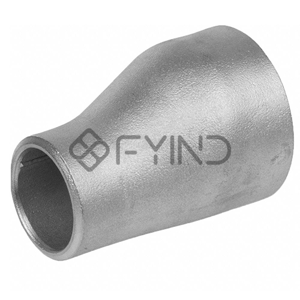
Finding a trusted pipe reducer supplier in the UAE is essential for any project involving fluid transfer, pressure control, mechanical alignment, or pipeline efficiency.
Whether the project is in oil and gas, HVAC chilled water networks, plumbing systems, district cooling, irrigation, or heavy industrial plants, the quality of a reducer has a direct impact on flow performance, energy consumption, long-term durability, and safety.
This landing page provides a complete, industry-level guide designed for engineers, procurement experts, consultants, and contractors who want accurate technical knowledge, strong supplier options, and clear purchasing direction.
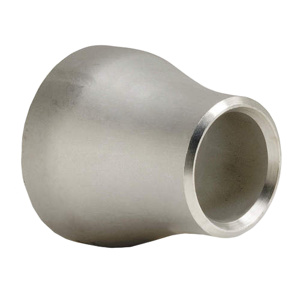
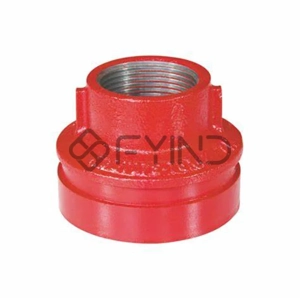
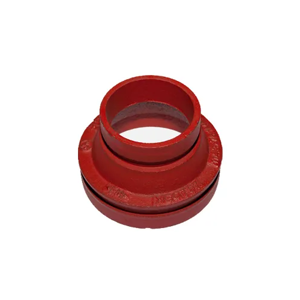
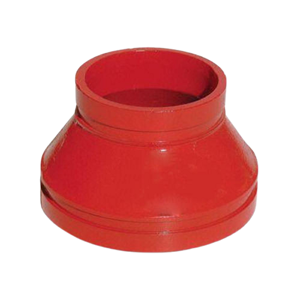
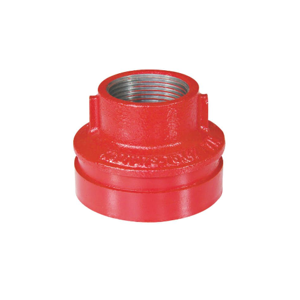
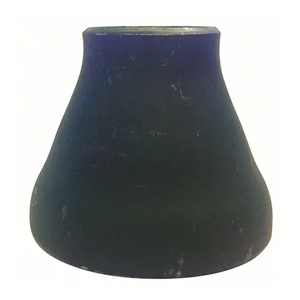
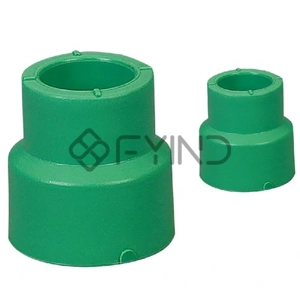
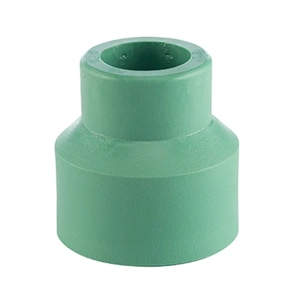
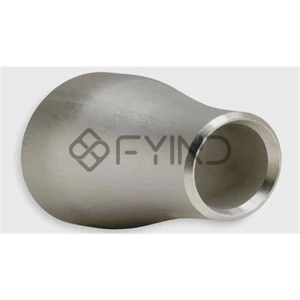
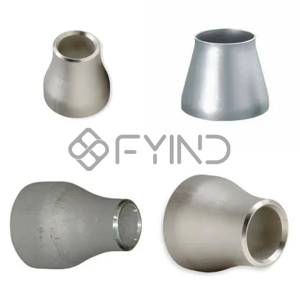
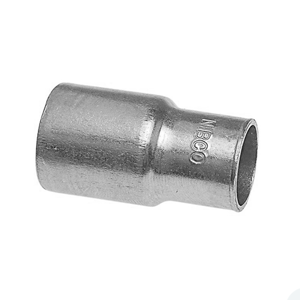
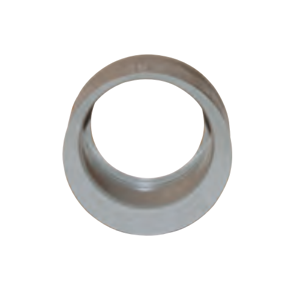
A pipe reducer is a type of pipe fitting used to connect two pipes of different diameters. It's used when flow rate needs to be adjusted, or when transitioning between pipe systems — for instance, from a 6″ main line to a 4″ branch.
There are two main types:
| Type | Description | Use Case |
|---|---|---|
| Concentric Reducer | The centerlines of both ends are aligned. | Ideal for vertical pipelines, pump suction lines, and where space is symmetric. |
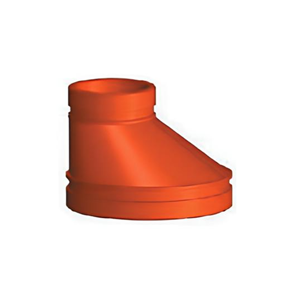
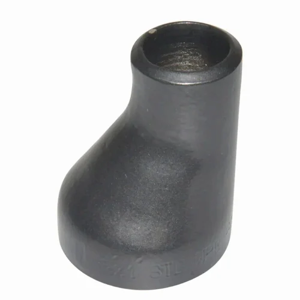
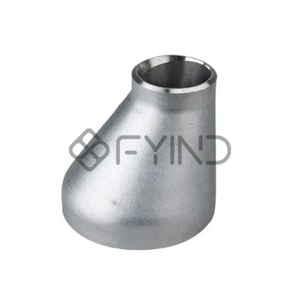
| Eccentric Reducer | The centerlines are offset; the smaller end is on one side. | Common in horizontal pipelines, to prevent air accumulation or slurries. |
We ensure our reducers comply with global standards (ASTM, ANSI, BS, DIN) and local regulations, meaning safety and performance you can rely on.
Measure or confirm the outer diameter (OD) of both upstream and downstream pipes. Check wall thickness or schedule, especially for metal pipes.
Use concentric for vertical runs or symmetrical flow. Use eccentric to avoid air pockets in horizontal lines, or to maintain bottom/top alignment.
For corrosion, chemicals, or hygienic systems → go Stainless Steel or Plastic (PVC). For high pressure or heat → Carbon Steel or Ductile Iron. For flexibility and long runs under soil → HDPE.
Butt-weld (weld-on) for permanent, strong joints. Threaded for smaller diameters or maintenance-heavy systems. Socket weld / Flanged — based on design.
Verify the reducer's pressure class (ANSI/ASME rating) matches your system. Confirm temperature suitability: plastic reducers have lower temp limits than metal.
Ask for material and test certificates (MTC). Confirm compliance with ASTM, ISO, or local UAE standards.
Local suppliers can provide technical guidance, faster delivery, and replacement parts. Check if they offer installation help, inspections, or consultancy.
A major EPC (Engineering, Procurement & Construction) contractor was building a petrochemical plant near Abu Dhabi. They needed stainless-steel concentric reducers for their high-pressure feed lines. By sourcing from a local UAE supplier, they:
Result: The project stayed on schedule, and their pipeline system passed all pressure tests without leaks.
A concentric reducer aligns both pipe centers, making it ideal for vertical pipelines or systems that require symmetrical flow. An eccentric reducer lowers one side of the fitting, preventing air accumulation and ensuring smooth horizontal flow. Incorrect orientation is one of the most frequent causes of pump cavitation in UAE HVAC projects.
| Factor | Influence on Price |
|---|---|
| Material | Stainless steel > carbon steel > PVC > HDPE (roughly) |
| Size & Thickness | Larger OD or thicker wall = more raw material = higher cost |
| Type | Eccentric vs concentric — manufacturing complexity can differ |
| Pressure Rating | Higher pressure classes require stronger, more expensive materials/tests |
| Standards / Certification | Certified reducers (MTC, test reports) cost more |
(Prices are indicative – contact us for a precise Request for Quote (RFQ).)
Below is a verified list of reputable suppliers known for stocking reliable reducers, maintaining proper documentation, and supporting urgent project requirements:
These companies are known suppliers for stainless steel reducers, carbon steel reducers, PVC and polypropylene reducers, camlock reducers, and specialized metal alloy reducers.
Check for defects, dents or surface damage. Review material certificates and verification tags.
Flush out debris, weld slag, or foreign material before installing reducers.
For butt-weld: align ends, tack-weld, root-filler-cap, and perform NDT (if required). For socket or threaded: use proper torque to avoid misalignment or leaks.
Ensure the reducer is properly supported to avoid stress or sagging. Provide thermal expansion allowance if needed (especially for plastic).
Perform hydrostatic or pneumatic testing as per the project's standard. Check for leaks, deformation, or signs of failure.
Periodically inspect weld joints or threaded connections. Replace reducers in wear-prone areas (e.g., erosion, corrosion points).
| Reducer Type | Material | Suitable Applications | Temperature Tolerance | Installation Method |
|---|---|---|---|---|
| Stainless Steel Buttweld | SS304, SS316 | Oil, Gas, Chilled Water | High | Welded |
| Carbon Steel Eccentric | CS A234 WPB | Industrial Pipelines | Medium to High | Welded |
| Brass Reducer | Brass Alloy | HVAC, Plumbing | Medium | Threaded |
| PVC Short Reducer | PVC-U | Irrigation, Plumbing | Low | Solvent Weld |
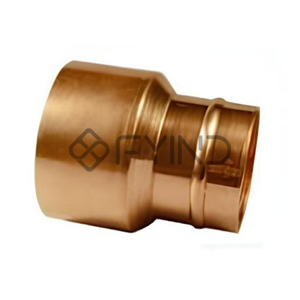
| Copper Coupler Reducer | Copper | Potable Water | Low to Medium | Soldered |
| Monel Concentric | Monel 400 | Marine, Chemical | Very High | Forged |
| Polypropylene Eccentric | PP-R | Drainage, Domestic | Low | Fusion Weld |
| Camlock Aluminium Reducer | Aluminium | Quick Connect Lines | Medium | Camlock Locking |
You can send your requirements now and our sales team will respond with a detailed, competitive quotation. Contact verified pipe reducer suppliers in the UAE for stainless steel, carbon steel, PVC, HDPE, and specialty alloy reducers tailored to your project specifications.
All pipe reducer products meet UAE safety regulations and international industrial standards (ASTM, ANSI, BS, DIN) for durability, pressure performance, and material certification.

 0
0