
Looking for reliable conveyor transfer plate suppliers in UAE for your material handling operations? You've come to the right place. Whether you're running a warehouse in Dubai's JAFZA, managing production lines in Sharjah's industrial zones, or overseeing logistics facilities in Abu Dhabi, choosing the right conveyor transfer plates directly impacts your operational efficiency and bottom line.
A conveyor transfer plate is a critical component in your conveyor system that bridges the gap between two conveyor belts or between a belt and a structure. Think of it as the smooth handoff point where your products transition from one section to another without jamming, falling, or getting damaged. In UAE's fast-paced industrial environment—from food processing facilities in Abu Dhabi to automotive assembly lines in Sharjah—every second of downtime costs money.
These plates create a low-friction surface that allows packages, parts, or products to slide seamlessly across transfer points. Without proper transfer plates, you risk product loss, belt damage, safety hazards, and costly production interruptions that no facility manager wants to report.
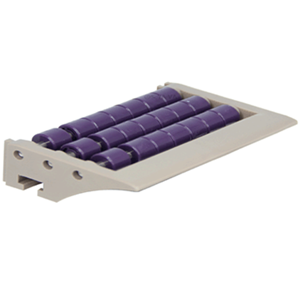
Modular Transfer Plates with Rollers
Modular transfer plates feature acetal frames equipped with precision rollers or beads that reduce friction during product transfers. These are your go-to solution for handling lighter items in packaging, pharmaceutical, and food industries. The NTYA DG151 C1 modular transfer plates available in UAE markets typically measure between 3.35 to 8.9 inches in length and accommodate various conveyor widths.
Segmented Transfer Plates
Segmented transfer plates UAE suppliers offer HDPE (High-Density Polyethylene) segments that lock together, providing flexibility for gaps ranging from 1.5 to 10 inches. These are ideal for distribution centers and airport baggage handling systems where you need to accommodate different belt speeds and directions. The bright yellow segments make wear monitoring simple—when you see color fading, it's time for replacement.
Standard Roller Transfer Plates
For heavier industrial applications in construction materials handling or automotive sectors, roller transfer plate systems with stainless steel or acetal rollers provide the durability you need. These handle higher load capacities while maintaining smooth product flow across transfer zones.
Flat UHMW Transfer Plates
Ultra-High Molecular Weight (UHMW) polyethylene plates or oil-filled UHMW variants offer excellent wear resistance for heavy-duty applications. Natural UHMW transfer plates work best when moving stable, heavier items commonly found in UAE's building materials and steel industries.
Your conveyor transfer plate system serves critical functions across multiple sectors:
Logistics & Distribution: Dubai's massive e-commerce fulfillment centers rely on efficient transfer plates to move thousands of packages hourly through sorting systems without damage or delays.
Food & Beverage: Food-grade modular transfer plates meet stringent hygiene requirements in Abu Dhabi's food processing plants, where easy cleaning and no bacterial harboring are non-negotiable.
Automotive Manufacturing: Heavy-duty transfer plates handle components moving through body construction, painting booths, and assembly lines in Sharjah's automotive sector.
Pharmaceuticals: Precision transfer modules ensure delicate medical products transition smoothly without contamination risks in UAE's growing pharmaceutical industry.
Airport Operations: Baggage handling systems at Dubai International and Abu Dhabi airports depend on reliable segmented transfer plates to process millions of bags annually.
When sourcing industrial conveyor transfer plates in UAE, consider these specifications:
Proper installation ensures maximum lifespan from your investment. Position transfer plates flush with conveyor surfaces to prevent product catching. Lock segments securely to prevent shifting during operation. Regularly inspect for wear—the bright yellow coloring on segmented plates makes this visual inspection quick and obvious.
Lubrication requirements vary by type. Roller transfer plates may need periodic bearing lubrication, while UHMW flat plates are typically maintenance-free. Document your maintenance schedule and train your team to spot early wear signs before failures occur.
While we can't quote specific prices without understanding your exact requirements, consider the total cost of ownership. A slightly more expensive modular transfer plate system that reduces product damage by 15% and extends belt life by 30% pays for itself quickly. Calculate potential savings from reduced downtime, fewer damaged products, and extended conveyor belt lifespan.
UAE suppliers typically offer competitive pricing due to the region's position as a logistics hub. Local inventory means faster delivery—often 24-48 hours for standard specifications—compared to international shipping delays. Factor in duties, freight, and customs clearance time when comparing import options versus local UAE suppliers.
Working with established conveyor component suppliers in UAE provides distinct advantages. You get immediate technical support in your time zone, often in Arabic and English. Site visits for custom applications are practical when suppliers operate from Dubai, Sharjah, or Ajman. Warranty claims and replacements happen faster with local representation.
UAE's free zones like JAFZA offer competitive pricing with re-export capabilities to other GCC markets. Many international brands maintain authorized distributors in UAE, giving you access to global quality with local service convenience.
1. What is a conveyor transfer plate, and why is it critical in UAE industries?
A conveyor transfer plate is installed at transfer points to ensure smooth material flow, reduce spillage, and protect conveyor belts from impact and abrasion. In the UAE's demanding sectors like cement plants, ports, and quarrying, it minimizes downtime and boosts material handling efficiency.
2. What are the key benefits of installing high-quality transfer plates in my UAE facility?
Key benefits include: Reduced spillage and dust emission, extended conveyor belt life, lower maintenance costs, improved material flow control, and enhanced plant safety—all crucial for UAE industrial operations.
3. What materials are best for conveyor wear plates in the harsh UAE climate?
For the high abrasion and heat in the UAE, UHMW-PE (Ultra-High Molecular Weight Polyethylene), HDPE Liners, and Chrome/Ceramic-lined steel plates are top choices. They offer excellent impact resistance and withstand abrasive materials like clinker and aggregates.
4. How do I choose between UHMW and ceramic-lined transfer plates?
Choose UHMW wear plates for excellent low-friction, self-lubricating properties with sticky materials. Opt for ceramic-lined plates or chrome carbide overlays for extreme abrasion resistance against sharp, heavy aggregates in mining and quarrying applications.
5. Can I get custom-designed transfer station plates in the UAE?
Yes. Leading conveyor component suppliers in Dubai and Abu Dhabi offer custom fabrication. They design transfer chute plates and skirtboard rubber systems to your exact chute geometry and bulk material specifications.
6. What is the typical installation process for a conveyor transfer point plate?
Installation involves assessing the transfer point design, removing old worn plates, preparing the chute surface, and bolting or welding the new wear-resistant liner. Many UAE suppliers provide technical support and installation services.
7. How do transfer plates integrate with other conveyor belt accessories?
They work seamlessly with skirting rubber, belt scrapers, impact beds/rollers, and dust suppression systems to create a fully optimized, spillage-free conveyor transfer point—a complete material handling solution.
8. What maintenance is required for conveyor wear liners in the UAE?
Maintenance is minimal. Regularly check for wear, ensure bolts are tight, and inspect material buildup. High-quality abrasion-resistant plates significantly reduce maintenance shutdowns for steel plants and logistics hubs.
9. Where can I find reliable conveyor spare parts and transfer plate suppliers in the UAE?
Reliable suppliers are concentrated in Dubai Industrial City, Jebel Ali, and Sharjah. Look for companies specializing in conveyor belt solutions, wear-resistant linings, and industrial maintenance products with a proven UAE project portfolio.
10. Are there eco-friendly benefits to using advanced transfer plates?
Absolutely. By minimizing material spillage and dust, they help UAE industries comply with environmental regulations, reduce waste, and improve plant cleanliness—supporting sustainable operations.
Ready to upgrade your conveyor system? Connect with verified conveyor transfer plate suppliers in UAE who understand your industry's specific requirements. Request detailed specifications including material certifications, load testing data, and compatibility confirmations with your existing conveyor model.
Ask about bulk pricing for larger facilities, spare parts availability, and installation support. The right supplier should offer site assessment services to recommend optimal transfer plate configurations based on your actual operational conditions.
Don't let inadequate transfer points bottleneck your production efficiency. Modern conveyor transfer plates, whether modular, segmented, or roller-type—represent a small investment that delivers significant returns through reduced downtime, lower maintenance costs, and improved product flow. Your operation deserves components engineered for UAE's demanding industrial environment.
Contact trusted suppliers listed on this page today to discuss your specific conveyor transfer plate requirements and receive customized solutions that keep your material handling operations running smoothly, efficiently, and profitably.