


-fzc/cement/jk-white-cement-cem-i-white-portland-cement.webp)


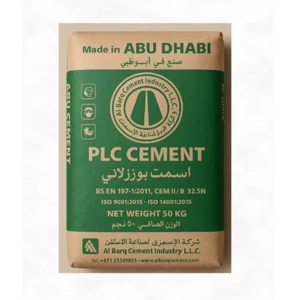

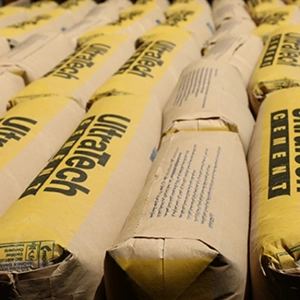

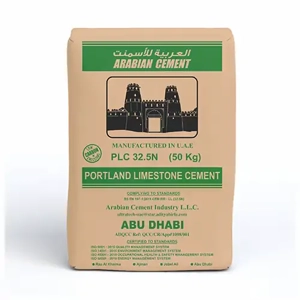

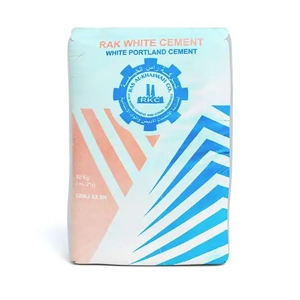

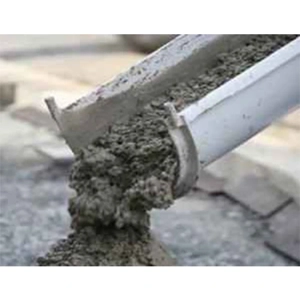

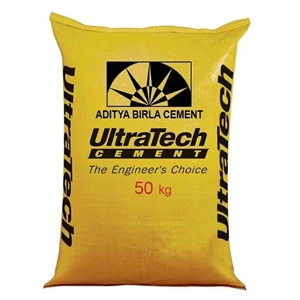

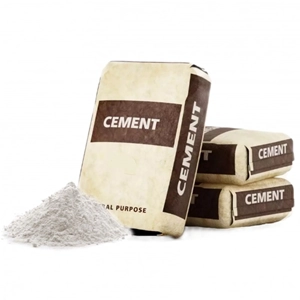

Contractors and homeowners may find high-quality materials at cheap prices by having a thorough understanding of cement producers in the UAE, ready mix concrete suppliers nearby, and cement bag prices ranging from Ultratech cement to OPC cement providers. The UAE's building supply sector provides a wide range of choices, whether you're looking for bulk cement suppliers or cement available nearby.
Cement Price in UAE – Current Market Rates
Cement price varies according on regional demand, worldwide supply, and shipping costs. In the UAE, cement bags now cost between:
- Cement bag price 50 kg: AED 12-18 per bag for standard OPC
- Ultratech cement price 50kg: AED 15-20 per bag depending on grade
- White cement price in UAE: AED 35-55 per 50kg bag
- Concrete cement price: AED 280-450 per cubic meter for ready mix
- Bulk cement: AED 200-350 per ton for large volume orders
The cost of a bag of cement in Dubai varies depending on the supplier, the delivery location, and the size of the order. Because it is widely available, ultratech cement prices in the United Arab Emirates remain competitive, while premium brands command somewhat higher prices because to their improved quality and consistency.
Cement Suppliers in UAE – Trusted Providers
Construction projects in Dubai, Abu Dhabi, Sharjah, Ajman, and the Northern Emirates are served by trustworthy cement suppliers in the United Arab Emirates. Well-known suppliers include of:
Canvas General Trading LLC – Al Quoz, Dubai, +971 50 226 8289 – Comprehensive cement and building materials
QCON General Trading LLC – Al Quoz, Dubai, +971 56 409 0966 – Quality cement and construction supplies
SM & Rahmani Building Materials Trading LLC – Deira, Dubai, +971 54 586 7752 – Wide range of cement products
Al Dereya Scaffolding Trading LLC – Ajman, +971 50 278 4566 – Construction materials and cement supply
Smooth Technical Trading – Abu Dhabi, +971 50 826 7792 – Technical building materials and cement
These cement providers in the United Arab Emirates provide delivery services to key construction hubs and competitive prices for Ultratech cement and other premium brands. These vendors guarantee dependable supply chains and quality control, whether you're looking for cement suppliers in your area for small projects or bulk cement suppliers for major construction projects.
OPC Cement Suppliers in UAE
OPC cement suppliers in UAE (Ordinary Portland Cement) continues to be the most often specified cement for home construction due to its exceptional workability and strength development. Suppliers such as Canvas General Trading LLC (+971 50 226 8289) and QCON General Trading LLC (+971 56 409 0966) offer OPC cement in 43-grade and 53-grade varieties that satisfy international standards for infrastructure, commercial, and residential applications.
Cement Manufacturers in UAE
Cement manufacturers in UAE generate millions of tons a year to meet the need for area construction. Among the leading producers are Ras Al Khaimah Cement, Emirates Cement Company (Fujairah), Al Ghurair Gypsum (Dubai), and Union Cement Company (Sharjah). To ensure a sufficient supply, these regional manufacturers support global companies like Ultratech, ACC, and Holcim. Modern technology is used in manufacturing facilities to produce cement that consistently meets ESMA (Emirates Authority for Standardization and Metrology) standards for quality. By reducing reliance on imports and transportation expenses, local production lowers cement prices in the United Arab Emirates.
Specialized Cement for Construction Applications
Cement for Road Construction
Cement for road construction demands low heat generation, sulfate resistance, and quick strength increase. High-strength OPC grades and Portland Pozzolana Cement (PPC) are appropriate for use in pavement and highway applications. Specifications for road building cement place a strong emphasis on dimensional stability to minimize cracking, resistance to chemical assault from de-icing agents, and endurance under high traffic loads. For road construction in the United Arab Emirates, suppliers such as Smooth Technical Trading (Abu Dhabi, +971 50 826 7792) offer infrastructure-grade cement that satisfies Transportation Authority requirements.
Cement for Bridge Construction
Cement for bridge construction requires outstanding durability, low permeability, and strength. Structural integrity is guaranteed for 50–100 year design lives with high-performance concrete that uses 53-grade OPC or specially blended cements. Bridge cement standards provide for regulated heat hydration for mass concrete pours, minimal chloride content to prevent corrosion of reinforcing, and sulfate resistance for marine conditions. Premium cement is sourced for infrastructure projects from bulk cement providers, guaranteeing constant quality and a steady supply during crucial building stages.
Cement for House Construction
Cement for house construction usually uses 43-grade OPC for beams, columns, and foundations, whereas 53-grade is required for important structural components. Depending on the mix design, 8–12 bags of 50 kg cement are needed for every cubic meter of concrete used in residential building. Homeowners looking for cement in their area can purchase it from nearby vendors such as SM & Rahmani Building Materials Trading LLC (Deira, Dubai, +971 54 586 7752), which offers reasonable cement bag prices of 50 kg for construction projects involving villas and apartments.
Ready Mix Concrete and Concrete Suppliers
Ready Mix Concrete Suppliers Near Me
Ready mix concrete suppliers near me (also readymix concrete suppliers) transport pre-mixed concrete to building sites, doing away with the need for on-site batching. Concrete mix suppliers in my area provide grades ranging from M15 to M60 that are appropriate for structural elements, slabs, columns, and foundations. Depending on grade, admixtures, and delivery distance, ready-mix concrete cement costs between AED 280 and AED 450 per cubic meter. Top concrete producers in my area keep quality control laboratories to guarantee that mix proportions are constant and satisfy project requirements.
Concrete Block and Building Material Suppliers
Concrete block suppliers near me for building projects, supply interlocking pavers, solid blocks, and hollow blocks. Depending on the source and strength rating, standard 200x200x400mm hollow blocks cost AED 1.50–3.00 per unit. Fiber cement siding manufacturers and suppliers in my area provide long-lasting exterior finishing products by mixing cement with synthetic fibers. These low-maintenance, weather-resistant, and fire-resistant goods are appropriate for the UAE's climate. Beyond only basic cement, businesses such as QCON General Trading LLC (Al Quoz, Dubai, +971 56 409 0966) offer a wide range of concrete materials.
Bulk Cement Suppliers and Delivery Services
Bulk cement suppliers near me (also bulk cement suppliers) provide truckload volumes that must be pneumatically supplied to on-site silos for huge construction projects. For purchases over 20 tons, bulk cement price gives 15–25% savings over bagged cement. Mixing cement with aggregates and water in transit mixer trucks is one of the logistical services offered by cement delivery firms in my area. While bagged cement comes in pallet loads (50-100 bags), ready mix deliveries usually have minimums of 1-3 cubic meters. Delivery coordination is handled by vendors such as Al Dereya Scaffolding Trading LLC (Ajman, +971 50 278 4566).
Specialty Cement and Supplementary Materials
Fly Ash Suppliers in UAE
Fly ash suppliers in UAE provide supplementary cementitious materials enhancing concrete performance and sustainability. Fly ash replaces 15-40% of cement in concrete mixes, reducing costs while improving workability, strength development, and durability. Class F fly ash suits general construction, while Class C provides some cementitious properties independently. Fly ash concrete demonstrates superior sulfate resistance, reduced heat generation, and improved long-term strength. Environmental benefits include carbon footprint reduction and waste material utilization, aligning with UAE's sustainability initiatives.
Calcium Aluminate Cement Suppliers
Calcium aluminate cement suppliers provide specialized high-alumina cements for chemical-resistant building, quick repairs, and refractory applications. Calcium aluminate cement (CAC) can tolerate harsh chemical conditions, high temperatures, and remarkable early strength (70 percent design strength in 24 hours). Applications include specialty construction, industrial flooring, emergency repairs, and precast elements that need to be demolded quickly. Although CAC is substantially more expensive than OPC (AED 80–150 per 25 kg), it has special performance qualities that aren't found in ordinary cements.
White Cement Price in UAE and Applications
White cement price in UAE costs between AED 35 and AED 55 for a 50-kilogram bag; the extra price reflects the sophisticated production. Applications for white cement include tile grout, terrazzo, architectural finishes, decorative concrete, and artistic installations where the vivid white hue improves aesthetics. Iron-free raw materials and regulated kiln conditions are necessary for manufacturing to produce pure white cement free of chromatic impurities. Despite being chemically equal to gray OPC, white cement is 2-3 times more expensive because to its cosmetic appeal. accessible from specialized cement providers in the United Arab Emirates catering to the finishing and architectural sectors.
Frequently Asked Questions About Cement
How to install cement board on floor?
To install cement board on a floor, you must first prepare the substrate clean and level, then use a notched trowel to apply thinset mortar. Then, you must place cement boards with staggered joints, leaving 1/8-inch spaces between them, fasten them with corrosion-resistant screws every 6 to 8 inches, tape joints with fiberglass mesh, and apply more thinset over seams. Before installing tiles, give them a full day to cure. Tile cracking is prevented by the watertight, dimensionally stable substrate that cement board offers. Use the proper thickness: 5/8-inch for floors over joists, 1/2-inch for floors over plywood, and 1/4-inch for countertops. For straight cuts, score and snap boards; for curves, use a jigsaw or grinder.
How long does cement take to dry?
The application and environmental factors affect how long cement takes to cure. With light foot traffic, the first set lasts 30 to 45 minutes, while the last set lasts 10 to 12 hours. Cement, however, hydrates and hardens rather than actually "drying." Concrete continues to increase strength for years after reaching 70% design strength in 7 days and 90% in 28 days. For maximum strength, keep the mixture moist during the curing process; too much drying results in weakness and cracking. The hot weather in Dubai speeds up evaporation, necessitating regular water curing or curing compound applications. Await heavy loads for 24 to 48 hours, vehicle traffic for 7 days, and complete structural loading on concrete elements for 28 days.
How to hang paintings on cement walls?
Instead of using regular nails to hang paintings on cement walls, masonry fasteners are needed. Make use of adhesive hooks suited for concrete surfaces, masonry screws, or concrete anchors. Adhesive strips or picture hanging hooks with reinforced pins work well for frames that weigh less than 5 kg. Plastic expansion anchors are necessary for medium weight items (5–20 kg) and include a drill hole with a masonry bit, an insert anchor, and a drive screw to secure the hanger. Threaded masonry anchors or sleeve anchors with the highest holding power are required for heavy frames weighing more than 20 kg. Use a level to ensure alignment, mark positions carefully, and drill a bit smaller than the anchor diameter to avoid a loose fit. Do not drill in thin wall portions or close to edges as this could cause cracking.
Where to buy surface bonding cement?
Specialized cement suppliers in the United Arab Emirates, such as Canvas General Trading LLC (Al Quoz, Dubai, +971 50 226 8289) and SM & Rahmani Building Materials Trading LLC (Deira, Dubai, +971 54 586 7752), offer surface bonding cement. Fiberglass reinforcement in surface bonding cement makes for a sturdy block wall without the need for mortar. To give dry-stacked concrete blocks structural strength, waterproofing, and a completed surface, apply a 1/8-inch coating to both sides. This specialty product works well with utility structures, retaining walls, and garden walls. International brands could need special orders; before planning a project, check with suppliers to ensure availability and cement prices.
How to install cement board in shower?
In order to install cement board in a shower, you'll need waterproof membrane underneath the boards, thinset mortar to adhere the boards to the studs, galvanized screws (instead of nails) for fastening, waterproof tape and thinset to seal any seams and penetrations, and waterproofing membrane over the boards before tile. Use a circular saw with a masonry blade or the score-and-snap method to cut boards. To stop water from wicking, leave a 1/4-inch space at the tub/shower pan caulk joint. Stagger joints like masonry, install boards horizontally to minimize seams, and make sure all screw heads are flush or slightly recessed. Put corner beads on the inside corners and use waterproof tape to seal the outside corners.
How to fix loose cement board siding?
To fix loose cement board siding, you must replace broken fasteners, use outside caulk to patch gaps, secure loose panels with extra corrosion-resistant siding nails or screws, and repaint if needed. Check for underlying frame deterioration or moisture damage that is causing the loosening. Instead of trying to fix badly damaged boards, remove them and replace them. To prevent cracking, new fasteners should be positioned 3/4 inch from the edges and penetrate studs by at least 1-1/2 inches. To prevent splits, fiber cement nails must be pre-drilled. Before re-securing, address the causes of water intrusion; loose siding frequently indicates moisture issues that need to be fixed. If there is widespread loosening that suggests systematic installation or structural problems, think about getting a professional evaluation.
How many bags of cement in a yard of concrete?
Depending on the mix design, 5–6 bags of 50 kg cement are needed for every cubic yard of concrete. About six bags are needed per cubic yard for a standard 1:2:3 mix, which is composed of one part cement, two parts sand, and three parts aggregate. More cement is needed for stronger mixes; high-strength concrete may require seven to eight bags per cubic yard. Five to six fifty-kilogram bags are produced by calculations since one cubic yard is equivalent to roughly 0.76 cubic meters and normal concrete needs 300–400 kg of cement per cubic meter. One way to estimate the entire cost of materials is to ask how much a bag of cement costs in Dubai (AED 12–18). Cement alone, with aggregates and labor, costs about AED 70–110 per cubic yard of concrete.
Can I put cement board over drywall?
Yes, using thinset mortar and screws that penetrate studs behind, cement board can be put over drywall in non-wet regions. It is best practice to remove drywall in moist places (showers, tub surrounds) and apply cement board straight to studs instead of using this method, which adds weight and thickness. If the drywall is solid, well fastened, and free of moisture damage, cement board can be placed over it in dry places like fireplace surrounds or kitchen backsplashes. Before installing tiles, use 1-1/4-inch screws to reach the studs, apply thinset mortar to provide a strong bond, and seal all joints. Although this approach reduces the amount of time needed for demolition, it thickens the wall, which may have an impact on trim, outlets, and fixtures.
Will PVC cement hold CPVC?
CPVC pipes shouldn't be made with PVC cement. Even though PVC cement could seem to bond CPVC at first, pressure and temperature stress will cause the junction to fail. Special CPVC cement or universal PVC/CPVC cement designed for higher temperatures is needed for CPVC (chlorinated polyvinyl chloride). PVC has a limit of 60°C (140°F); ordinary PVC cement degrades at CPVC operation temperatures, which are as high as 93°C (200°F). Both materials can be used with universal cements, which are clearly labeled on containers. Inappropriate cement use voids warranties and puts plumbing systems at risk for severe pressure failures. Prior to application, always confirm that the cement is compatible with the pipe material to ensure safe, code-compliant installations.
How to remove paint from cement porch?
Chemical strippers, pressure washing, or mechanical techniques are needed to remove paint from a cement porch. Apply chemical paint remover as directed by the manufacturer, let it sit for 15 to 30 minutes, use a metal scraper to remove any loose paint, and then give it a good rinse. As an alternative, use a spinning nozzle pressure washer with 3000–4000 PSI to carefully prevent concrete damage. Sandblasting, floor scarifiers for large areas, and grinding with coarse abrasive discs are examples of mechanical techniques. The heat in Dubai speeds up the efficiency of chemical strippers, but it also promotes evaporation, so work in portions that keep the substance wet. Observe environmental standards when disposing of paint leftovers. For big areas or tough coatings, think about hiring professionals to ensure effective removal without causing damage to the concrete base.
What is the best flooring for a basement cement floor?
The best options for a cement floor in a basement are engineered hardwood with a moisture barrier (warm appearance, moderate moisture tolerance), polished concrete (low maintenance, modern aesthetic), ceramic or porcelain tile (waterproof, cold but durable), epoxy coating (seamless, moisture-resistant, durable), or luxury vinyl plank (warm underfoot, easy to install). Basements should not have solid hardwood, laminate, or carpet because of their sensitivity to moisture. Traditional basement moisture issues are lessened by the UAE's dry environment and low water table, however AC condensation must be taken into account. Before installing flooring, use a vapor barrier to stop the spread of moisture. For cement basement flooring, luxury vinyl and epoxy provide the best possible blend of durability, moisture resistance, and beauty.
Can I use masonry cement instead of thinset?
When installing tiles, masonry cement shouldn't be used in place of thinset. Masonry cement lacks the adhesive polymers, flexibility, and water resistance of thinset and is intended for mortar joints in block and brick construction. In order to provide strong tile connections, allow for heat mobility, and prevent moisture penetration, Thinset adds latex or polymer additives. Particularly in damp locations, using masonry cement for tiles leads to poor adhesion, cracking, and final failure. Thinset offers crucial performance properties at a somewhat higher cost than masonry cement. To ensure effective tile installations that satisfy industry requirements, get the appropriate thinset (modified or unmodified depending on substrate and tile type) from cement suppliers in the United Arab Emirates.
What is the difference between compaction and cementation?
There are two different geological/construction processes: compaction and cementation. Compaction is the process of mechanically compressing soil or aggregate voids, increasing density, and physically rearranging particles using tools like rollers, tampers, and vibrators. Portland cement hydration binds aggregates into concrete, while cementation is a chemical bonding process in which minerals precipitate between particles to form solid rock from sediments. Cementation forms long-lasting chemical bonding, while compaction is a reversible physical process. In building, cement provides adhesive binding to create monolithic structures, whereas soil compaction increases bearing capacity through densification. It is easier to describe suitable ground enhancement techniques versus actual applications when this distinction is understood. Both are necessary: cementation produces structural materials, while compaction prepares substrates.
How to remove moss growing between cement cracks on steps?
Moss must be killed with a herbicide or vinegar solution, dead moss must be scraped off with a wire brush or pressure washer, cracks must be cleaned with a stiff brush, allowed to completely dry, and then filled with cement patch compound or concrete repair caulk to stop regrowth. Apply a 1:1 solution of white vinegar and water to the moss, let it sit for a day, and then scrape away any dead growth. Pressure washing (2000–3000 PSI) cleans cracks and successfully gets rid of moss. Use a bleach solution (one part bleach to ten parts water) to eradicate any leftover spores. Seal cracks to stop moisture buildup and moss regrowth after cleaning. Regular maintenance and improved drainage reduce moss recurrence on outdoor cement surfaces.
Do I need a scratch coat on cement board?
Since thinset sticks straight to the textured surface of cement board, there is no need to apply a scratch coat before installing tiles. However, to get a clean wall finish when plastering over cement board, a scratch coat is necessary. Thinset is easily applied to tile applications using a notched trowel of the proper size (1/4 x 1/4-inch for wall tile, 1/2 x 1/2-inch for big format). The rough texture of the cement board allows for mechanical bonding without the need for extra preparation. Fiberglass mesh embedded in thinset base coat (similar to scratch coat) strengthens the connection when installing heavy tile or stone veneer that requires additional adhesion. Conventional plastering over cement board calls for applying a scratch coat with a square trowel, scratching it horizontally, and letting it cure for 24 to 48 hours before applying the final coat.
What kind of cement goes in the floor of a tiled shower?
Tiled shower floors require either pre-sloped foam panels with thinset overlay or a slope-forming mortar base, which is typically sand-cement deck mud. The traditional approach involves installing dry-pack mortar—4-5 parts sand to 1 part cement, with little water to create a crumbly consistency—over a waterproof membrane that is slanted 1/4 inch per foot in the direction of the drain. The modern method completely does away with mortar beds by using lightweight pre-sloped shower bases. Pre-sloped systems make construction easier and provide adequate drainage for do-it-yourself installations. Traditional mortar beds that allow for specific slopes and drain arrangements are frequently preferred by professional installers. Water cannot reach the flooring with either technique unless a waterproof barrier is placed beneath the mortar. Tile is bonded to a cured mortar bed or pre-formed base using thinset cement, not ordinary cement, to create a watertight shower floor assembly.
Sourcing Quality Cement in UAE
Successful building projects are ensured by knowing the cement pricing in the United Arab Emirates and locating trustworthy cement suppliers in the country. The UAE provides extensive supply infrastructure, whether you're looking for bulk cement suppliers for major projects, affordable Ultratech cement prices, or cement bag prices of 50 kg. Reputable suppliers that supply high-quality materials for residential, commercial, and infrastructure construction include Canvas General Trading LLC (Al Quoz, Dubai, +971 50 226 8289), QCON General Trading LLC (Al Quoz, Dubai, +971 56 409 0966), SM & Rahmani Building Materials Trading LLC (Deira, Dubai, +971 54 586 7752), Al Dereya Scaffolding Trading LLC (Ajman, +971 50 278 4566), and Smooth Technical Trading (Abu Dhabi, +971 50 826 7792).
The construction materials industry offers complete solutions, ranging from OPC cement suppliers in the UAE to specialty fly ash suppliers in the UAE, ready mix concrete suppliers nearby, and concrete block suppliers nearby. Contact reputable suppliers for competitive pricing, dependable delivery, and technical support to ensure project success across cement for house construction, cement for road construction, and cement for bridge construction applications throughout the United Arab Emirates, whether you're planning a bulk purchase or just wondering how much a bag of cement costs in Dubai.